




 Free delivery


 Currencies
Door stops
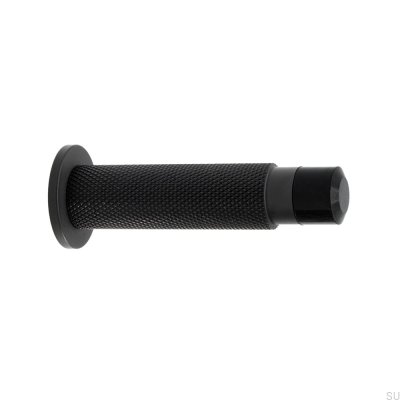
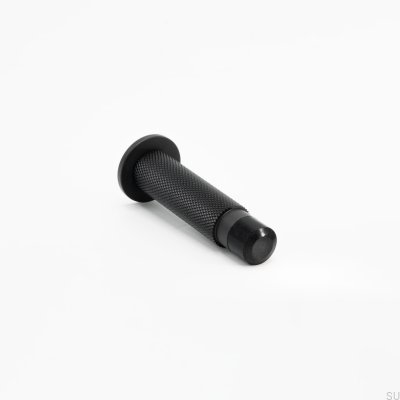
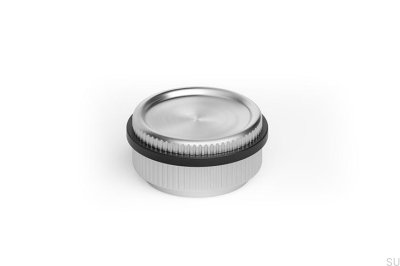
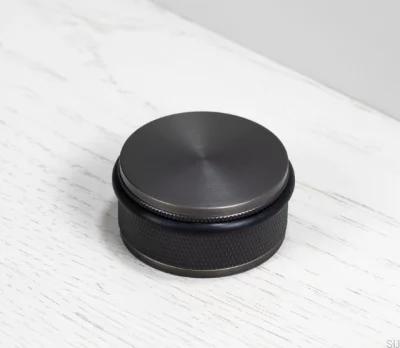
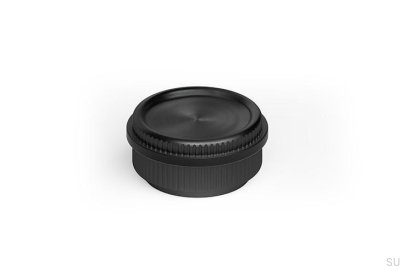
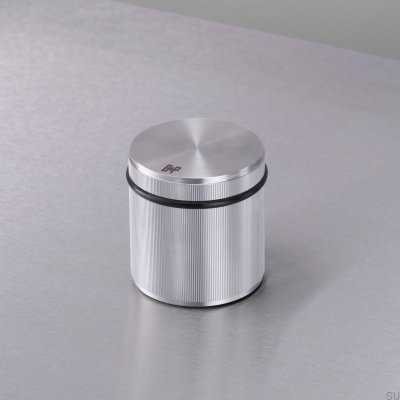
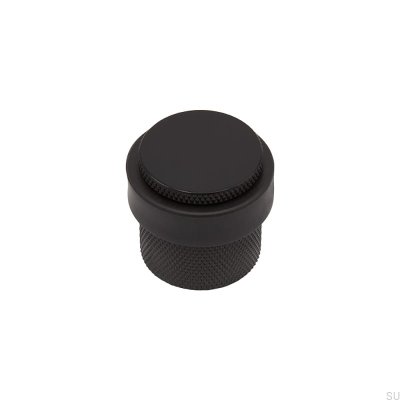
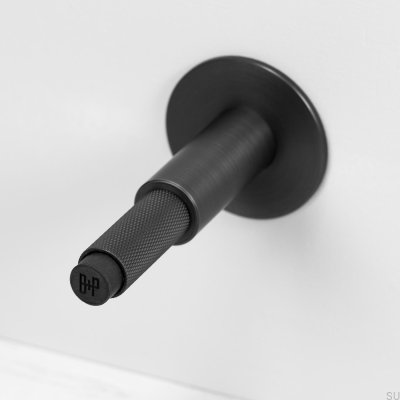
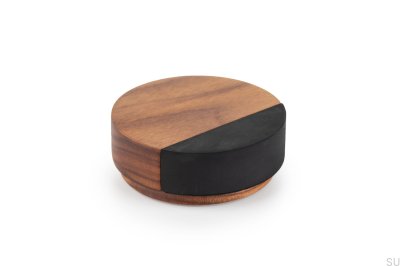
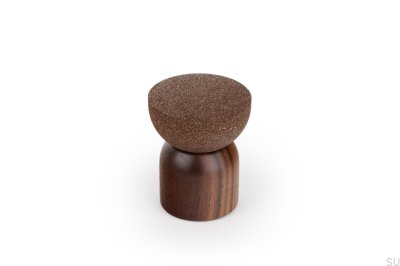
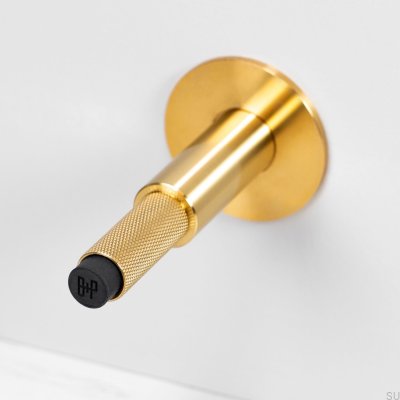
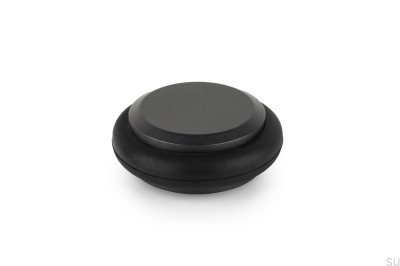
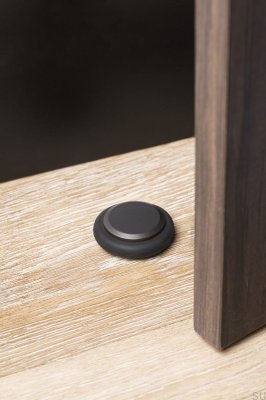
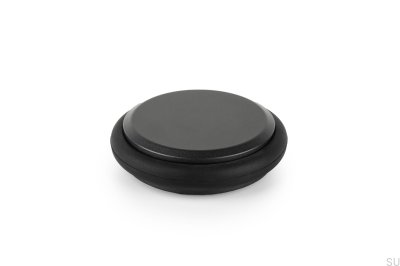
A door stop stops the door before the handle hits the wall or a piece of furniture behind it. You'll find floor-mounted, wall-mounted, and free-standing versions, in aluminum, wood, steel, or brass, in silver, black, gold, or bronze. The first decision is the mounting method: a screw holds more securely and withstands stronger impacts, while adhesive leaves no trace on the wall or floor.


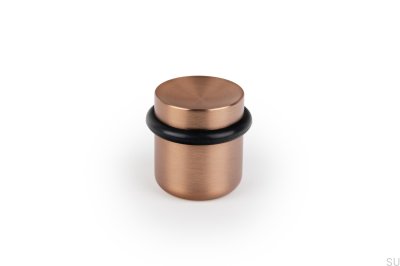
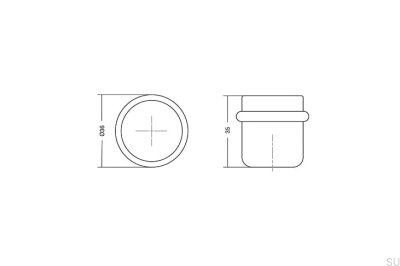

€17.78
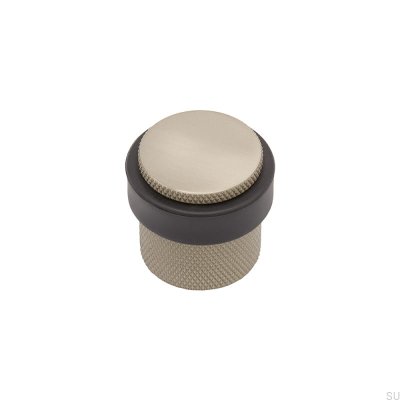
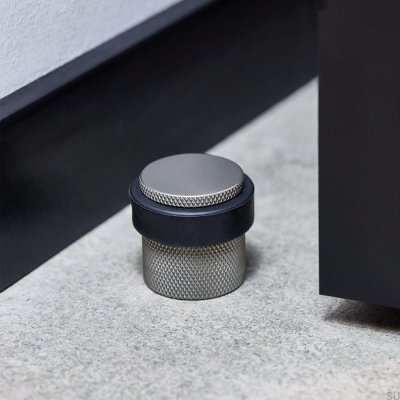
€31.30
€60.60
€34.36
€130.98
€35.84
€71.57
€27.45
€23.43
€25.06
€25.09
€23.43
€43.31

€82.55
€23.43
€137.66
€31.30

€25.06
€38.13
€15.40
€82.55
€17.78
€23.43
€46.08
€32.35
€7.70
€53.98
€32.81
€71.57
€36.50
€56.45
€20.07
€25.06
€19.36
€71.57
€13.55
€18.54
€126.45
€39.28

€25.06
€71.57
€31.30
€19.47
€32.77
€37.44
€30.73
€46.39
€18.14
Which door stopper should you choose: floor-mounted, wall-mounted, or free-standing?
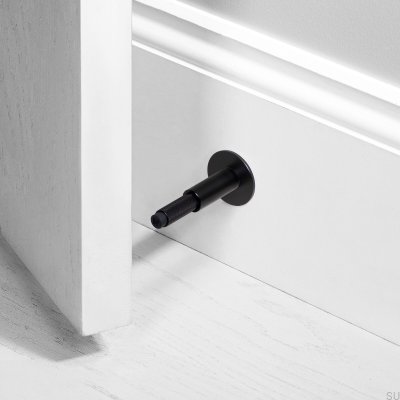
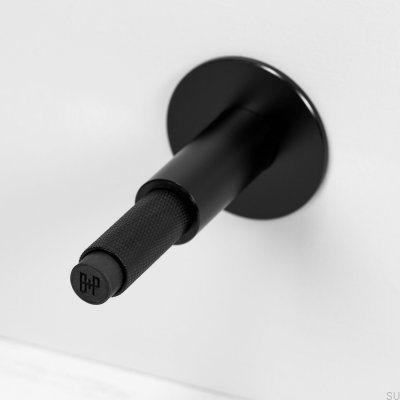
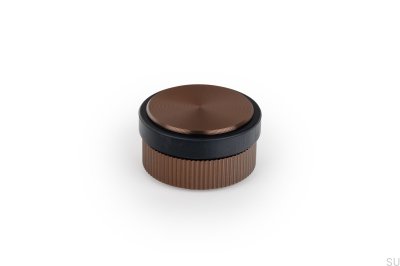
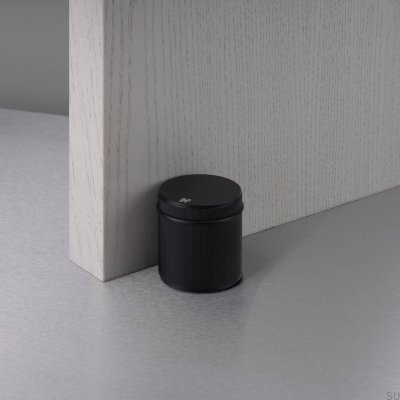
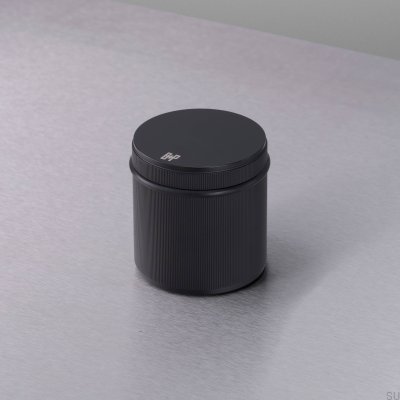
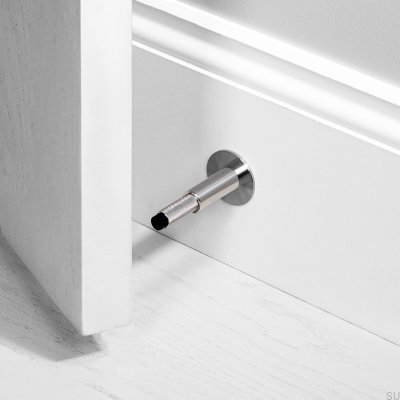
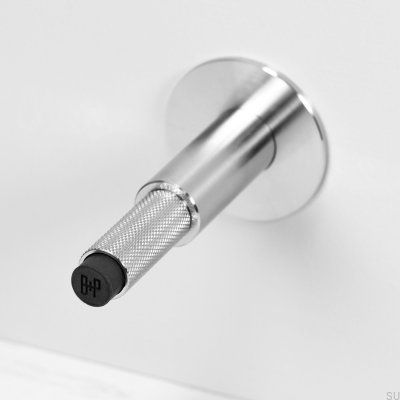
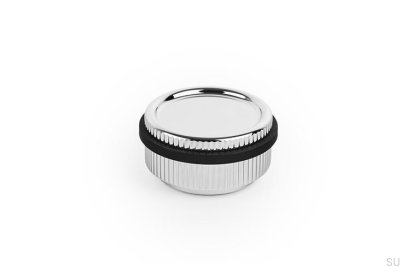
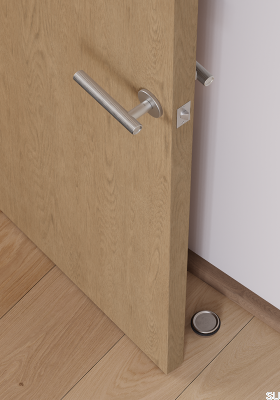
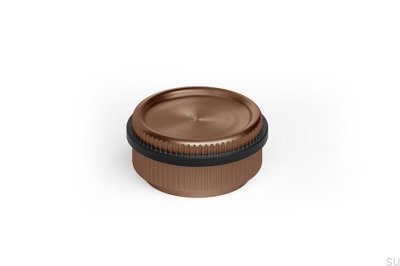
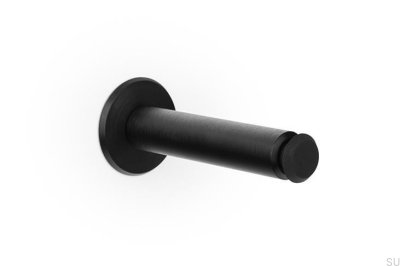
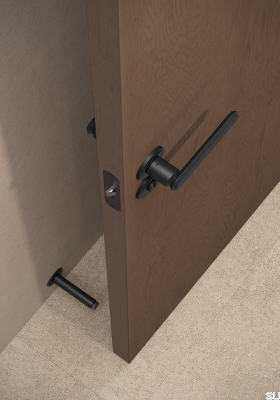
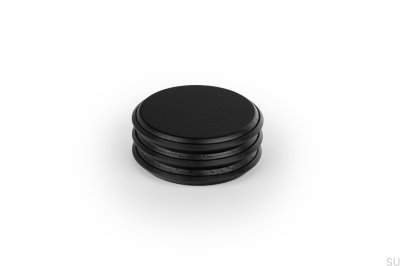
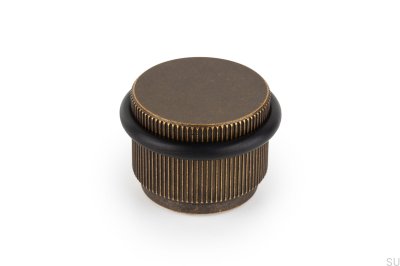
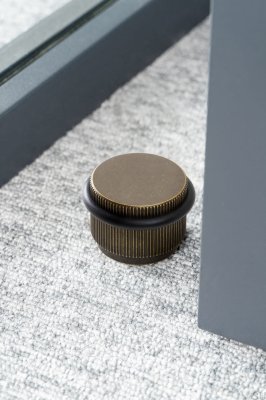
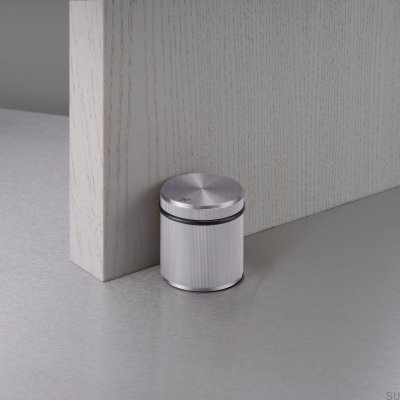
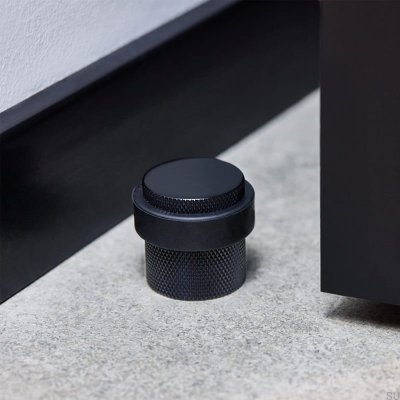
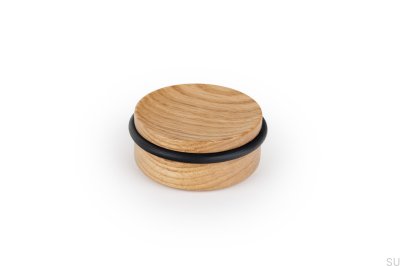
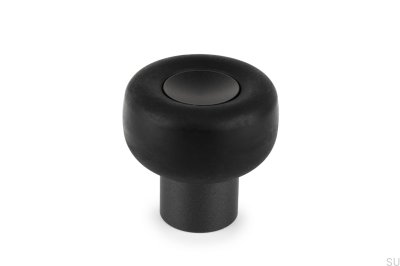
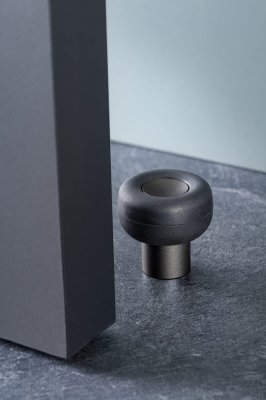
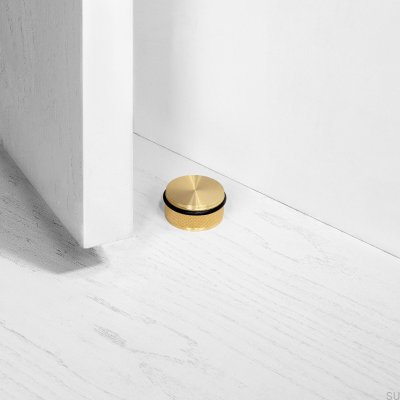
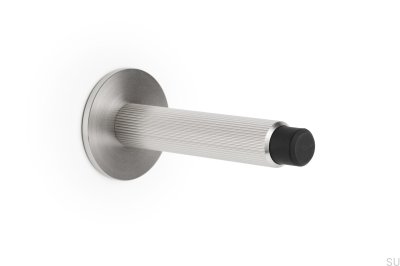
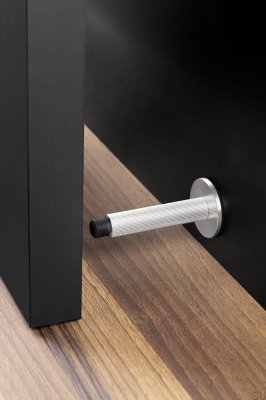
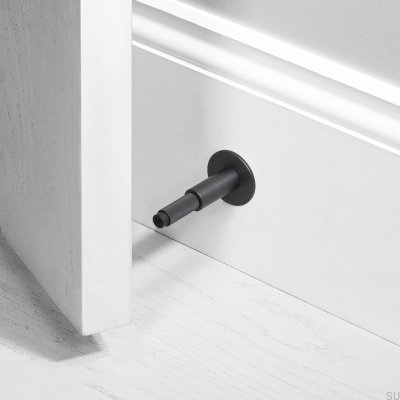
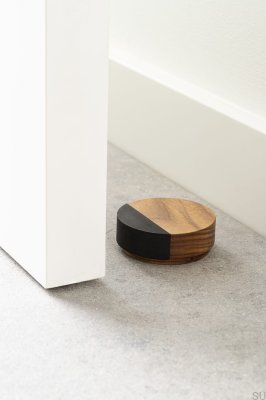
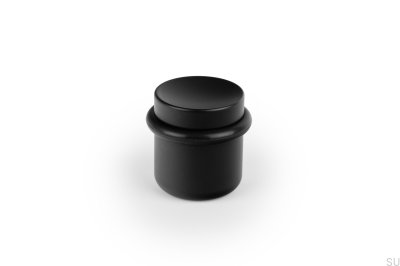
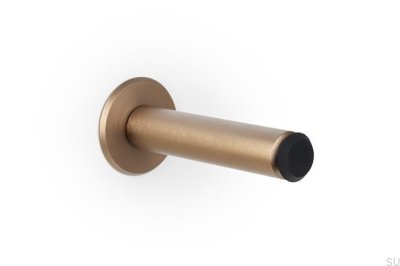
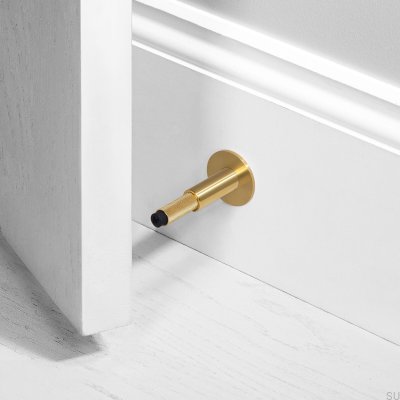
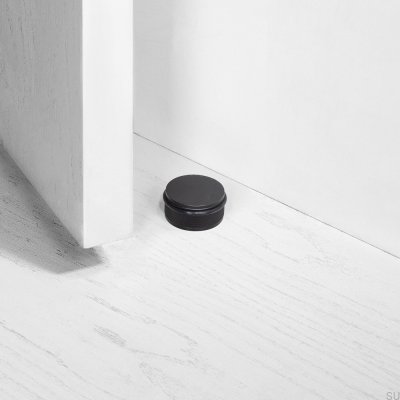
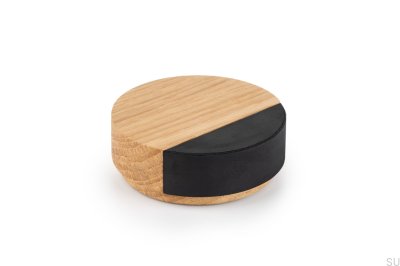
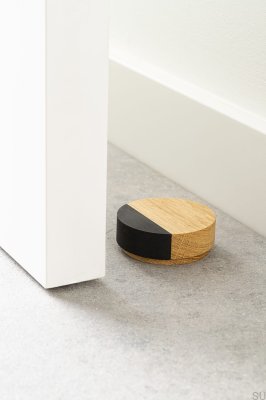
The installation method is more important than the material or color, as it determines where the product can be mounted. The floor-mounted version is mounted to the floor, either against the wall or directly under the door leaf, and that's what the question about a floor-mounted door stopper applies to. The wall-mounted model attaches to the wall at the point where the door handle strikes, usually at doorknob height. The third option is a free-standing version, meaning you place it on the floor and move it if you change your mind about the opening angle. The freestanding version requires no drilling in either the wall or the floor, making it ideal for a rented apartment. This is the starting point, as the remaining decisions, from material to color, are simply about matching the door to the interior.
Door stop: screw-mounted or glue-mounted
Some models are mounted solely with screws, others offer a choice between screws and glue, and a small number are designed for gluing only. A screw holds more securely and withstands stronger door leaf impacts, so it's suitable for heavy doors and places where a draft can cause them to slam. Adhesive only adheres to a smooth, dry, and degreased surface, so it performs well on tiles or panels, but much worse on raw plaster. A glued-on doorstop is also the only solution where underfloor heating is installed and drilling is out of the question. The installation method is provided in the model description; if you don't find it there, ask before ordering, as this determines whether you need a drill, expansion plug, and tile drill bit.
What are doorstops made of?
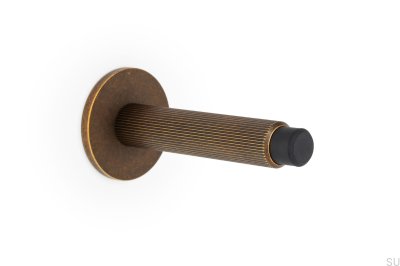
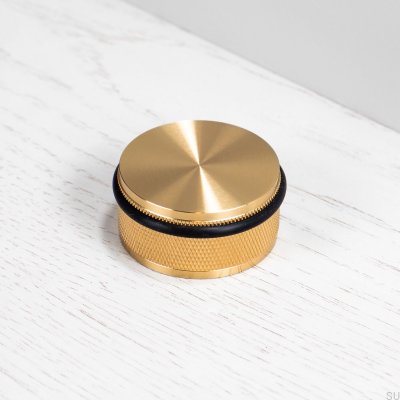
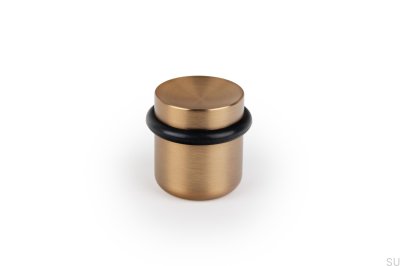
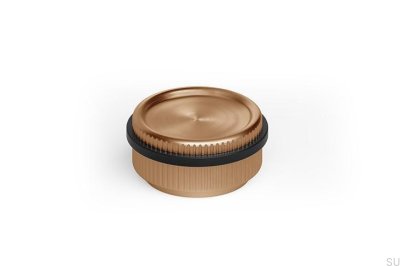
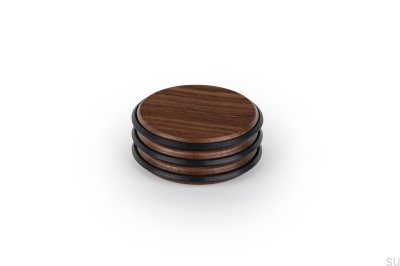
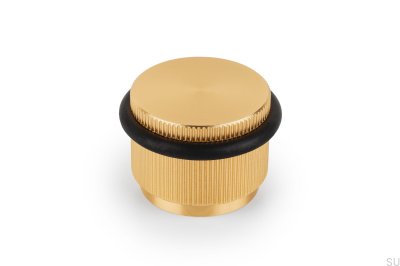
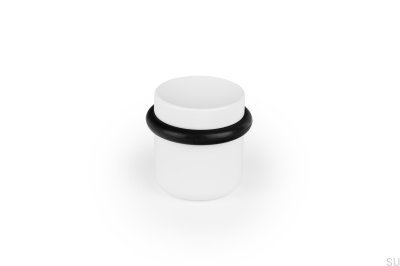
Most doorstops are made of aluminum. Wood comes next, followed by steel and brass, and copper models and those simply described as solid metal form a separate group. Finishing is of a different importance here than with furniture hardware, because the door stop operates close to the floor, within reach of shoes, vacuum cleaners, and mops: powder coating and brushing forgive abrasions, while the polished surface reveals them immediately. Colors range widely, from silver and black, through gold and bronze, to gray, copper, antique bronze, antique gold, and white. Design follows two trends, as modern door stops and loft models are the most numerous in this category, complemented by Scandinavian and classic forms. Match the door stop color to the door handle and hinges, not the floor, as the door stop is always visible alongside other hardware. If you're just starting out with your hardware, start with the door handles section and then choose the rest.
Where are door stops needed most?
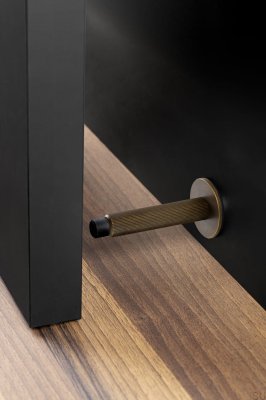
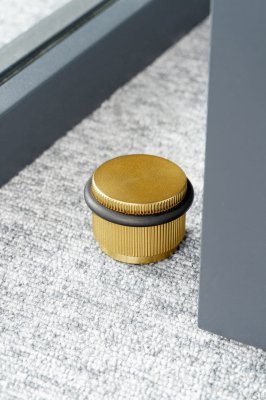
A door stop is usually bought after the fact, when there's already a dent in the wall where the door handle was. It's most useful in hallways and narrow hallways, where the door leaf opens fully and the door handle hits the wall. Second place is the child's room: doors wear out the fastest there, and the doorknob marks appear within a few weeks. In the kitchen and bathroom, material comes first, so aluminum, steel, or brass are more reliable than wood, which doesn't handle moisture well. With balcony doors, a floor-mounted version is usually the preferred choice, as there's nowhere to screw a wall-mounted model into a glass wall. You mount the door stop closer to the hinges when you want a smaller opening angle, for example, when there's a chest of drawers behind the door. Door hardware is usually purchased together, so there are door accessories and toilet locks.
How to choose a door stopper for the floor clearance under the door leaf
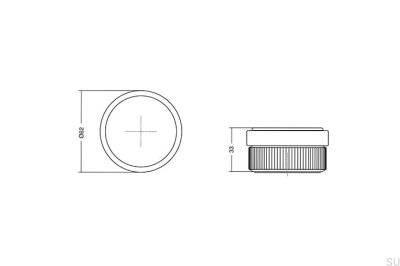
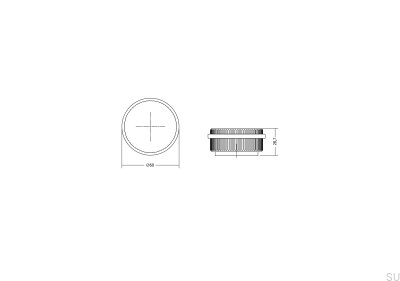
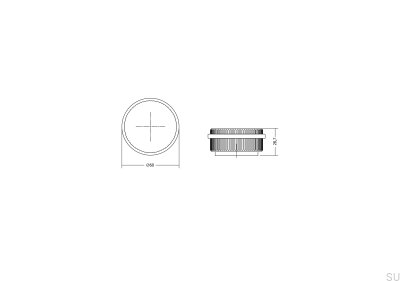
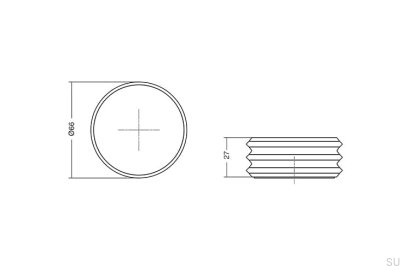
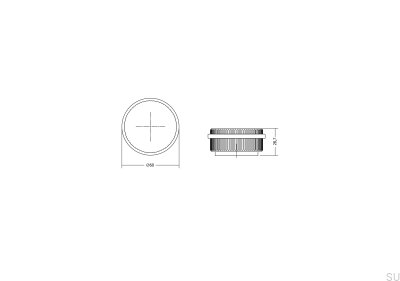
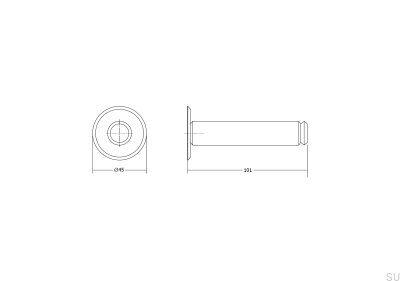
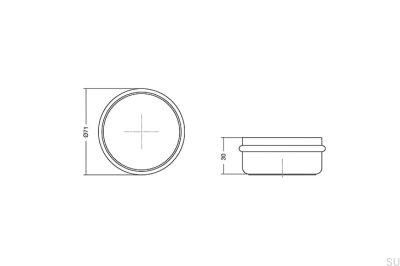
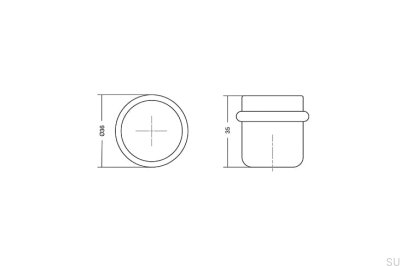
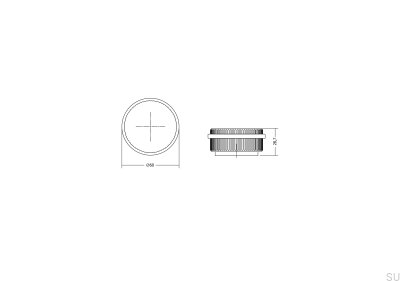
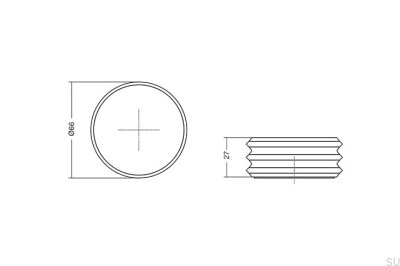
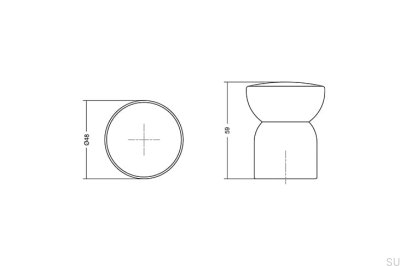
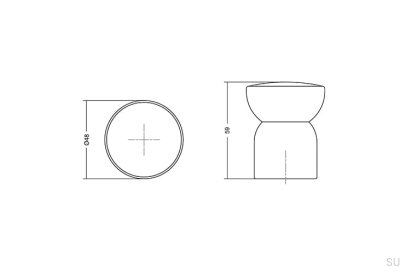
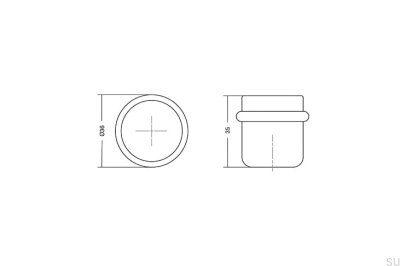
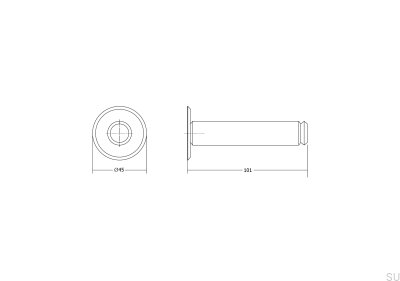
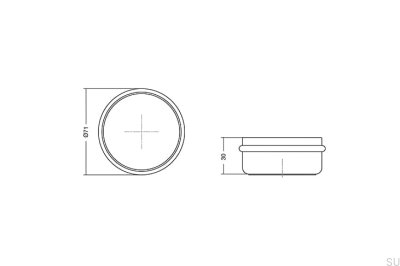
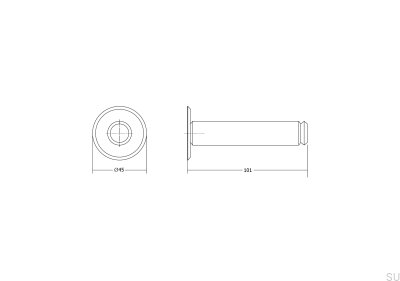
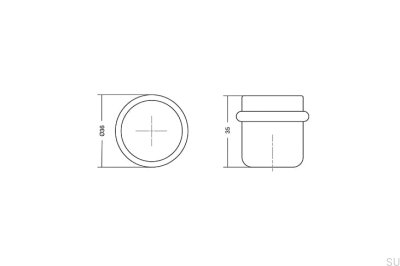
You don't check the hole spacing in this category because the products don't have two mounting points like furniture handles. Instead of measuring the front, it's useful to measure two other things. The first is the clearance between the bottom edge of the door leaf and the floor. The floor stop must be higher than this clearance, otherwise the door will go over it and nothing will stop it. The second is the spot where the door handle hits when the door is fully opened: open the door, place your finger on the contact point, and mark it with a pencil, as that's where the wall-mounted model will go. For floor-mounted versions, also check how much space the product will take up in the passageway, especially in a narrow hallway where it's easy to catch your foot on it. You can find the dimensions of a specific model in its description.
Frequently asked questions about door stops
◆ How can I prevent the door from hitting the wall?
Mount the door stopper where the handle hits when the door leaf is fully opened. You have three options: a wall-mounted door stopper on the wall, a floor-mounted model against the wall or under the door leaf, and a freestanding version that you install without drilling. In a narrow hallway, the wall-mounted version is less intrusive because it doesn't get in the way.
◆ What is a door stop called?
The same item is sold under several names: door stopper, door stopper, door stopper, door stopper, and sometimes door holder. Door stoppers and door stoppers also return in search engines. You'll most often see two forms in product names: door stopper and door stopper.
◆ How does a door stopper work?
It stops the door leaf before it reaches the wall or furniture behind the door. The wall-mounted model absorbs the impact of the handle, the floor-mounted model stops the lower edge of the leaf, and the freestanding model is placed in the desired location and moved when you want to change the opening angle. The difference is in the mounting location, not the effectiveness.
◆ Where should I mount the door stop?
The location depends on the model you choose. A wall-mounted door stop sits on the wall at the doorknob's impact point, so first open the door all the way and mark this point with a pencil. You mount the floor-mounted model against the wall or closer to the hinges if you want a smaller opening angle. You don't mount the freestanding version at all.
◆ How should I mount door stops?
Depends on the model. Screw-mounted models require drilling a hole, and for tile or concrete, a drill bit for a hard surface and a wall plug are also required. When gluing, degrease the surface and allow the adhesive to set before the door leaf hits the doorstop for the first time. Some models offer a choice between one method and the other.
◆ What is the best doorstop?
The choice depends on the installation method, the material, and where the doorstop will be placed. For a rented apartment, choose a freestanding or glued-down version, and for heavy doors, choose a screw-on model. Aluminum, steel and brass are more suitable in the kitchen and bathroom, while wood is more suitable in the living room. For floor-mounted versions, check whether the product is higher than the clearance under the door leaf. p>