




 Free delivery


 Currencies
Recessed handles
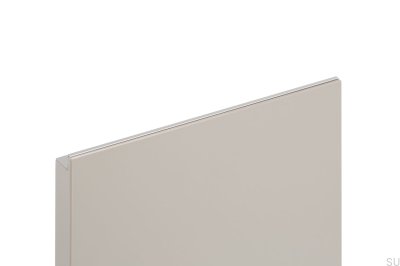
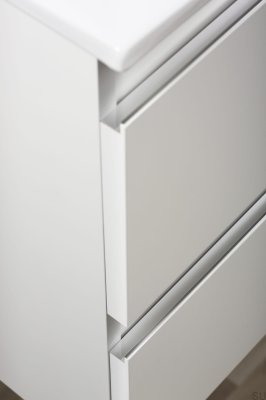
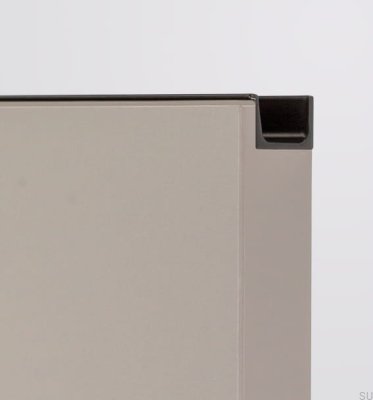
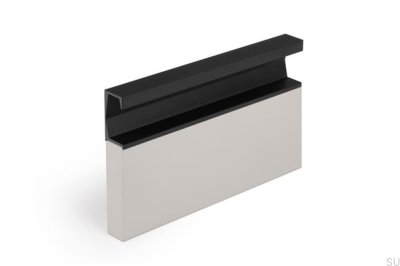
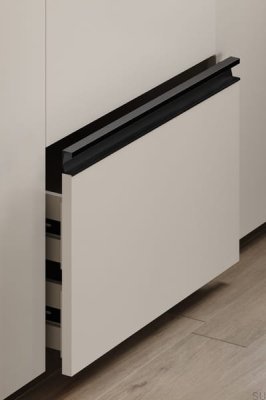
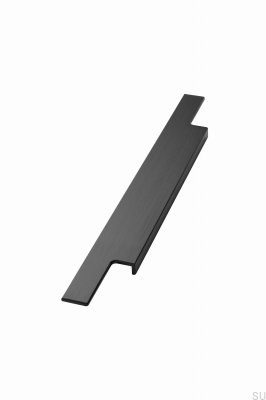
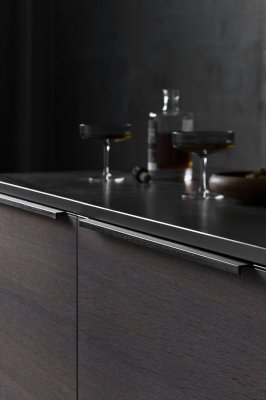
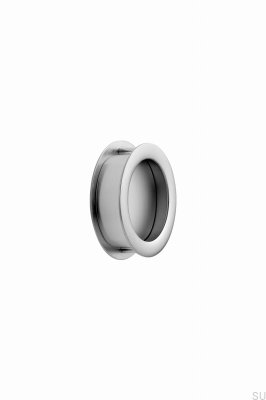
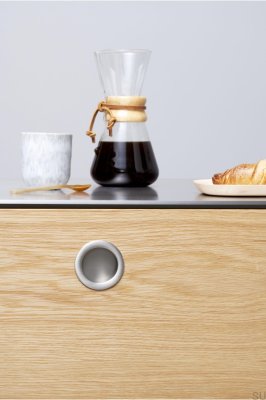
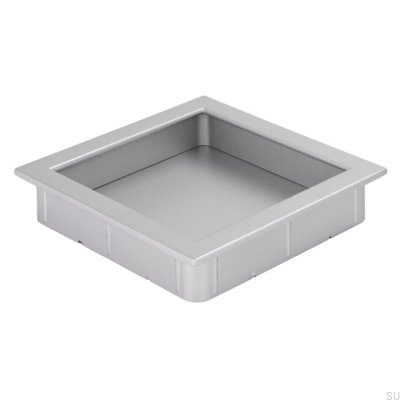
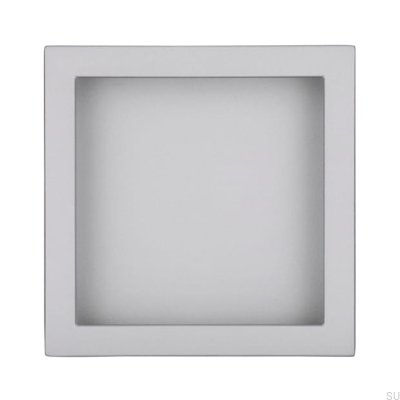
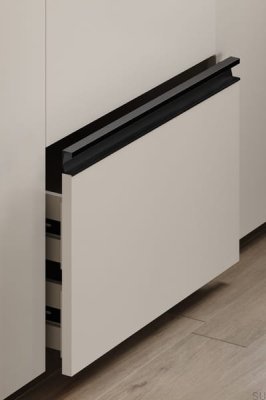
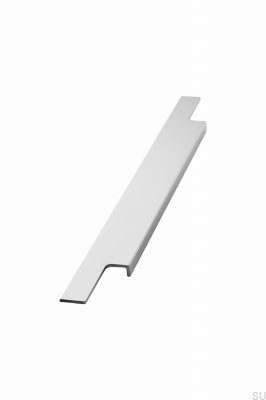
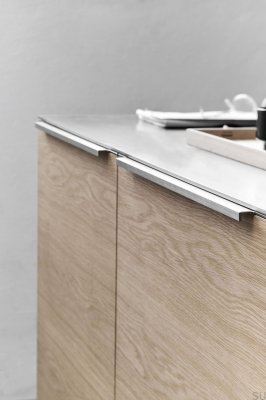
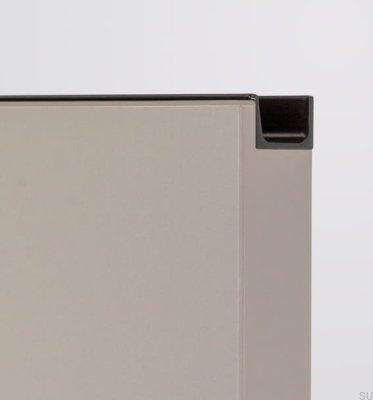
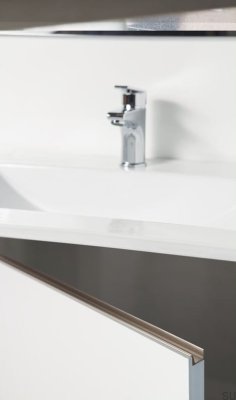
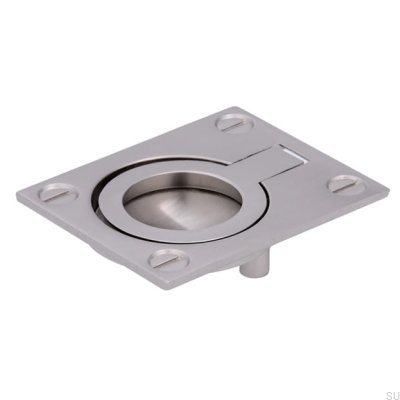
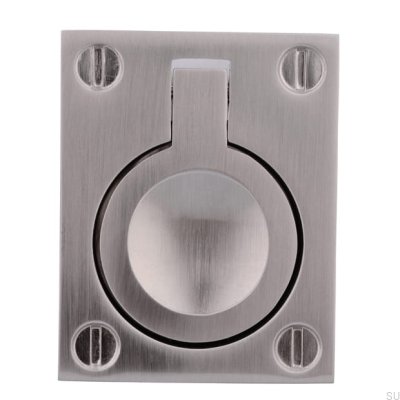
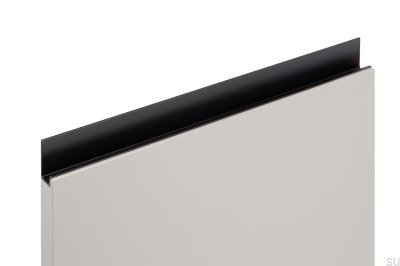
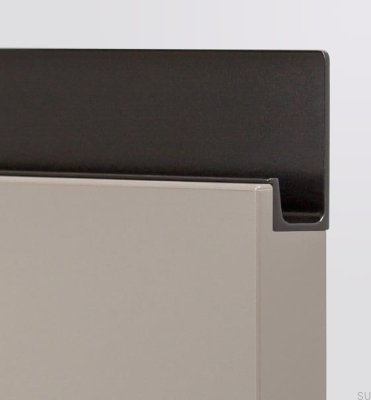
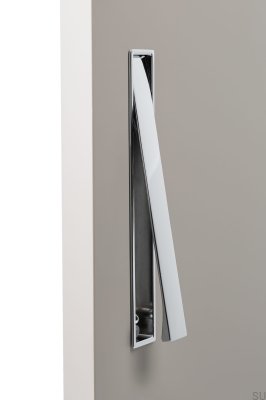
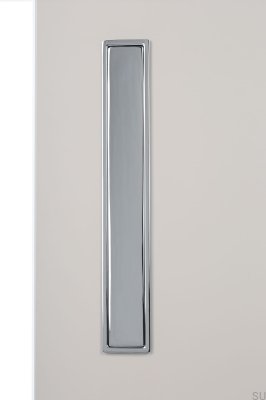
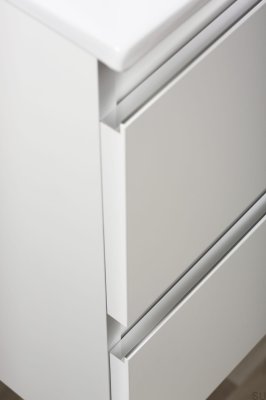
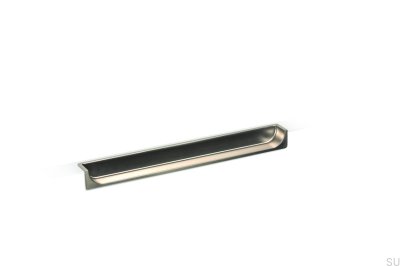
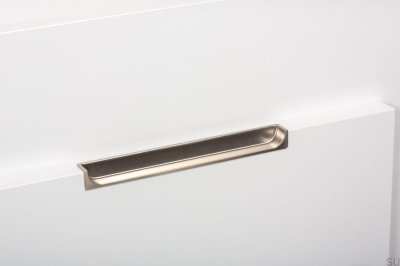
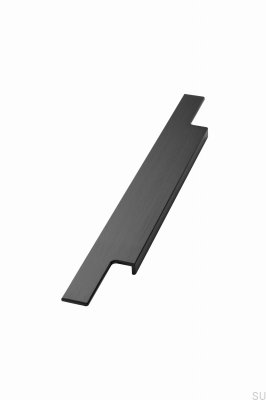
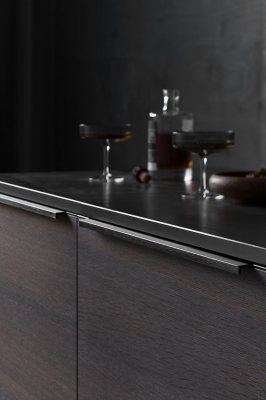
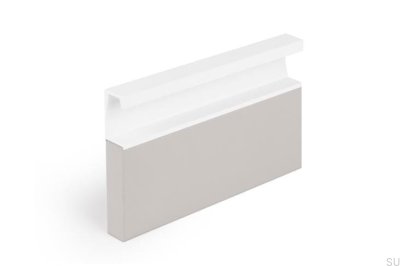
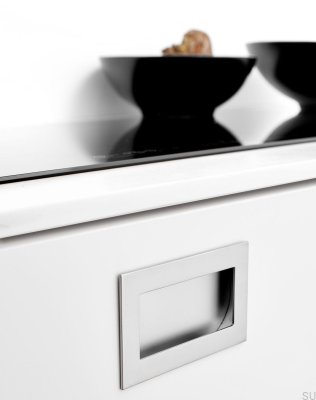
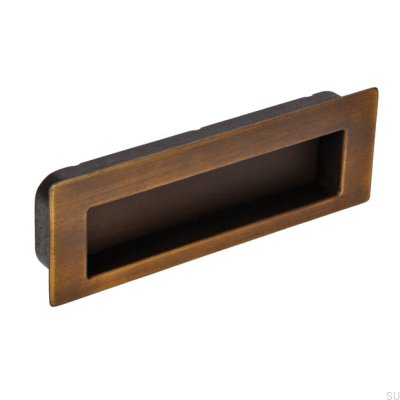
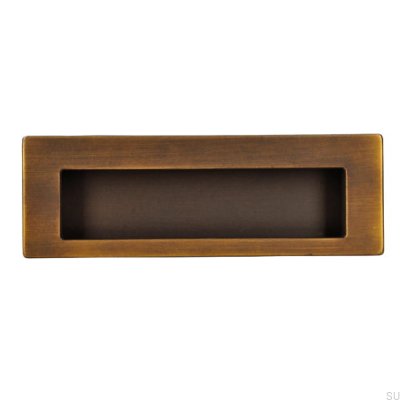
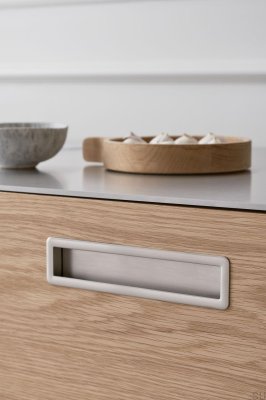
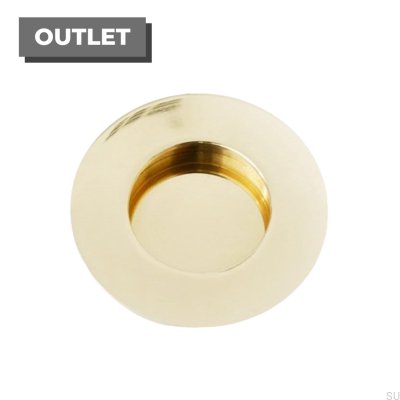
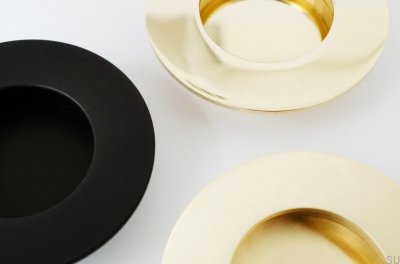
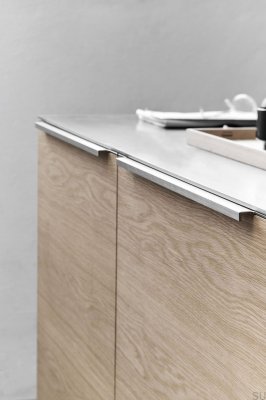
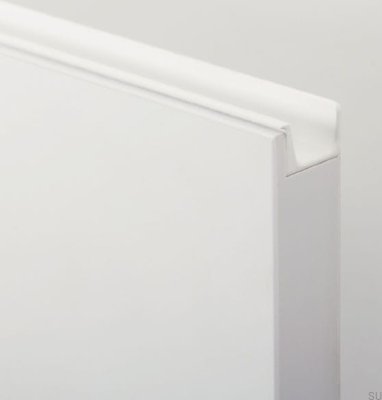
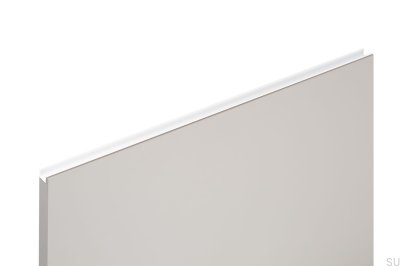
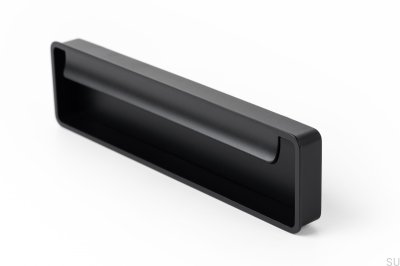
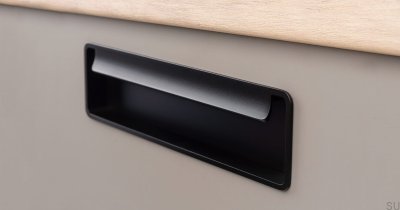
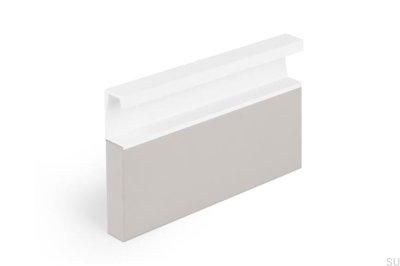
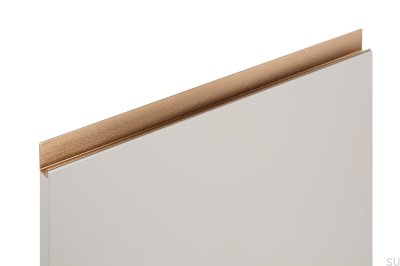
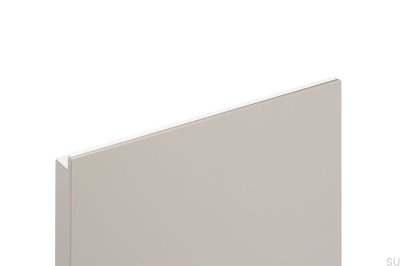
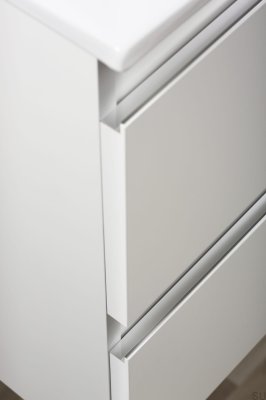
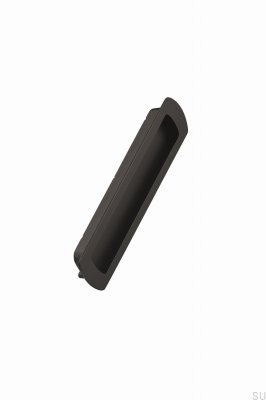
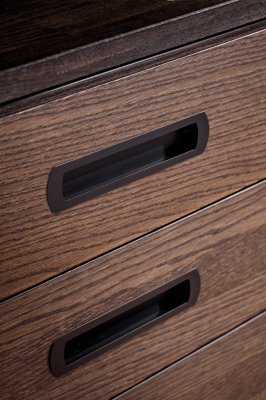
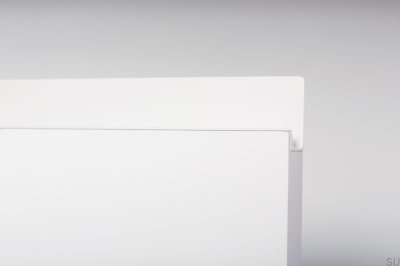
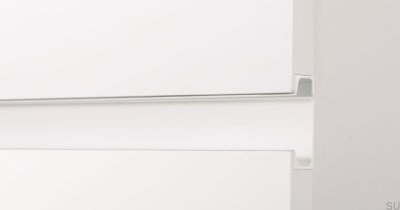
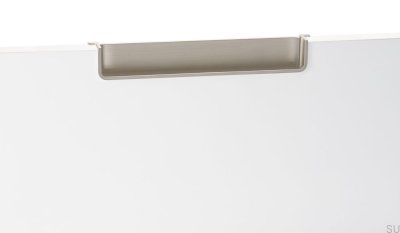
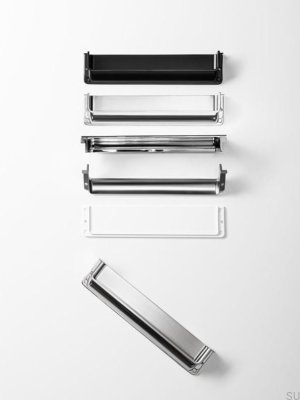
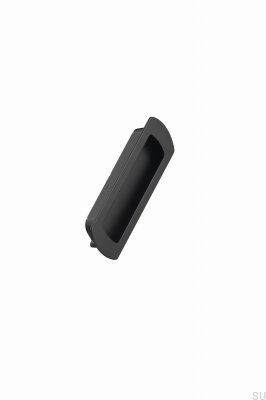
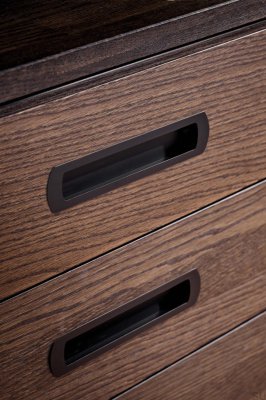
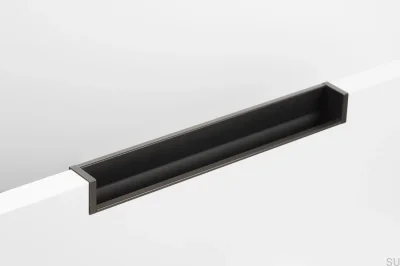
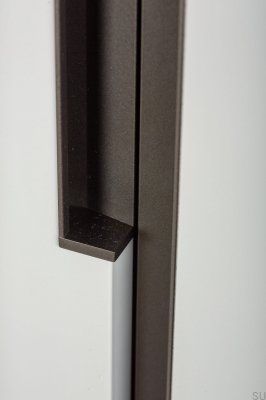
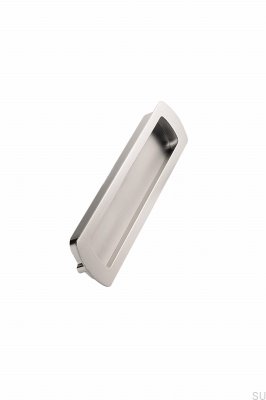
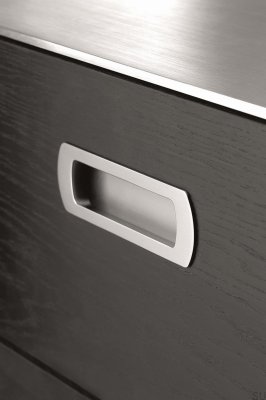
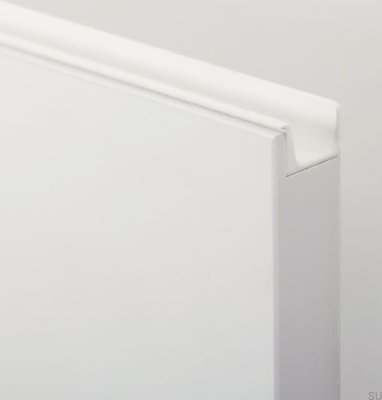
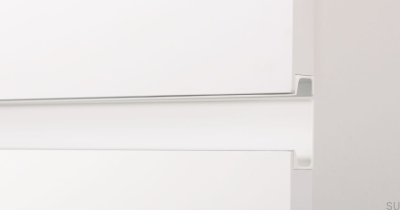
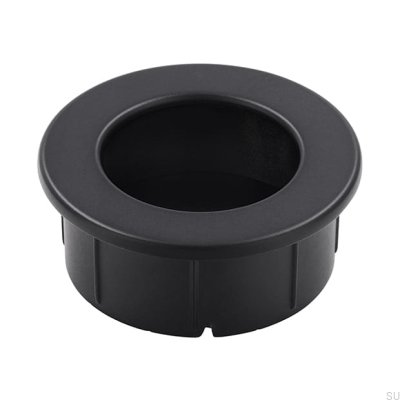
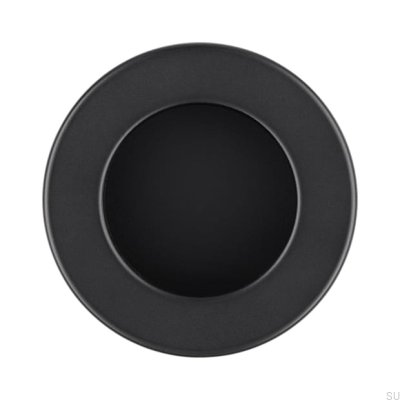
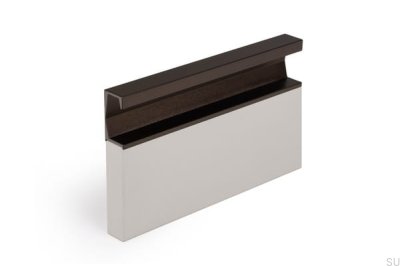
Recessed handles fit into a slot cut in the front, leaving the cabinet face smooth and with no protrusion beyond the board's outline. The same product is also sold as milled handles, because the slot for them is cut out with a milling machine. Without a milled slot, this form won't work, so the finished unit is left with an edge profile, screwed to the very edge of the front. The cutout in the board cannot be undone, so check the dimensions before ordering.



€5.39
€25.41
€42.82
€24.64
€34.73

€8.68
€17.82
€17.85
€14.06
€26.81
€18.84

€11.86
€17.27
€10.64

€31.38
€13.92
€22.67
€30.02
€9.80
€25.15
€13.79
€13.60
€14.84
€11.28
€14.31
€17.03
€11.65
€36.11
€9.93
€22.66
€9.75
€20.08
€16.45
€18.60
€11.28
€46.47
€19.00
€19.41
€55.04
€25.49
€32.94
€29.34
€20.47
€5.44
€21.55
€19.55
€17.27
€9.52
€42.82
What do milled handles and recessed handles mean?
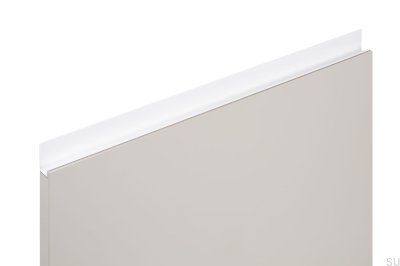
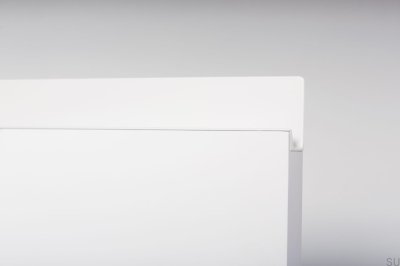
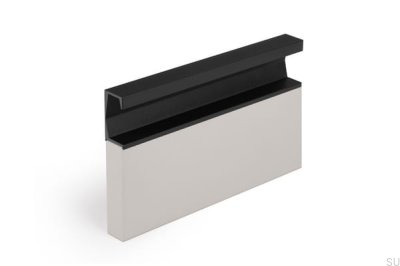
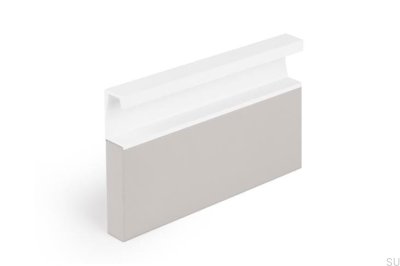
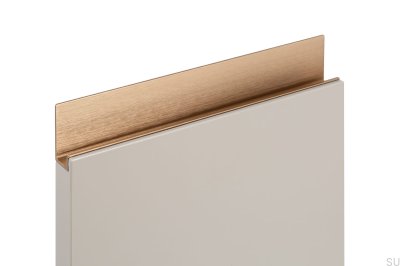
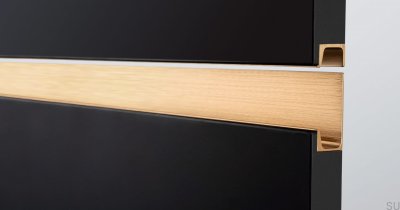
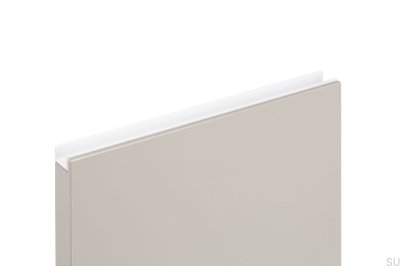
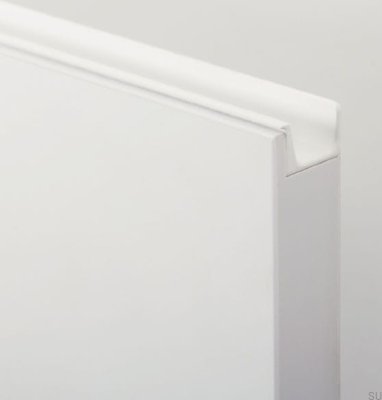
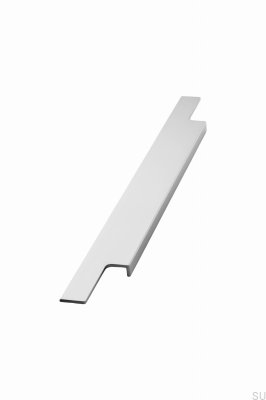
The board is milled, not the fitting. The carpenter selects a recess or through hole in the front, and only then does the finished handle fit. Therefore, under the heading milled handles, you'll find recessed handles, i.e., fittings designed for such a cutout. A milled furniture handle is the same product as a recessed handle, differing only in the name the carpenter uses. An edge profile solves the same problem differently: you screw it to the top or bottom edge of the front and grip it from underneath, leaving the board intact. If you're looking exclusively for the latter, it has its own section: Edge Handles.
How to Prepare a Front for a Flush Handle
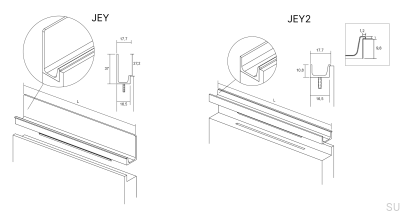
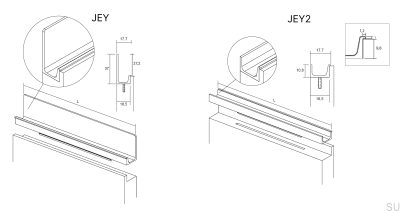
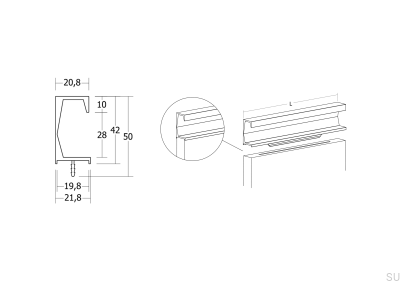
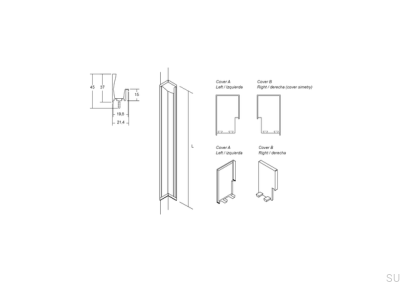
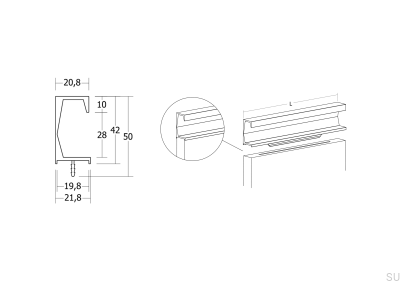
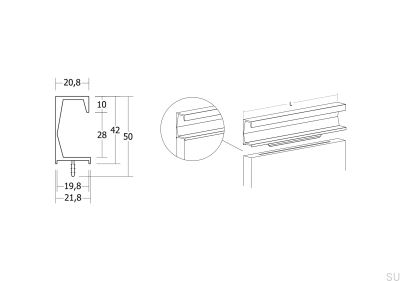
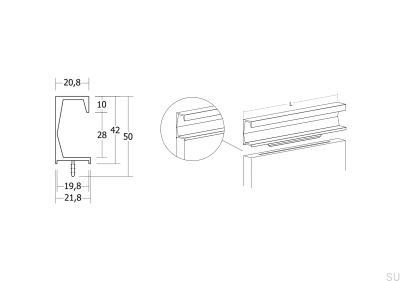
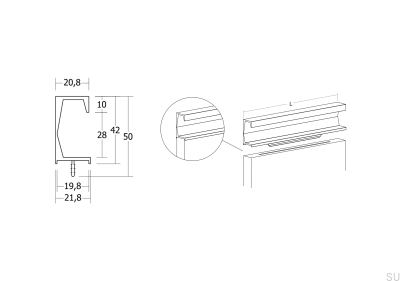
Furniture flush handles require one more measurement than front-mounted hardware. Before ordering a model, check three things: the length of the hardware, its width, and how deep it penetrates the board. You can't convert a finished front into a recessed handle without a milling machine, so make the decision before the cabinetry is installed or with the carpenter. This handle is chosen with the kitchen, not after. When ordering from a carpenter, provide all three dimensions at once, then the socket will be created directly for the specific model. The thickness of the board also matters, as a thinner front limits the depth of the cutout. In a finished kitchen, where the fronts are already hung and the holes are already drilled, it's easier to use front-mounted hardware or an edge profile.
What spacing should I choose for recessed handles when replacing them?
For recessed handles, the spacing is the distance between the axis of one hole and the axis of the other, not the width of the socket itself in which the hardware fits. Measure it on the old model before removing it from the cutter, or after removing it, directly on the exposed holes. In this section, 128 and 160 mm are the most common sizes, but you'll also find 32, 64, 96, and 192 mm. A new handle with a different spacing means new holes in the front, and the old ones need to be covered with something, so in a finished cabinet, you start with the dimensions and only then look at the pattern. Some smaller models are held by a single screw, so you don't need to measure the spacing at all. The longest profiles are mounted at several points at once, and then you check the spacing of all the holes, not just the distance between the outermost ones.
Recessed handles for drawers, wardrobes, and sliding doors
In the kitchen, a flat front wins in two situations. In the narrow passage between the island and the built-in unit, you won't catch your sleeve or pocket on the rail, because nothing protrudes beyond the face of the countertop, and when cleaning, the cloth slides across the front in one motion. Recessed drawer handles work well in lower units, where you reach the front from above rather than from the front; for a deep drawer with pots, compare them with models from the oblong handles section, because these provide a more secure grip with the entire hand. With sliding doors, flat fittings are the only option, because the doors miss each other by a few millimeters and any protruding element would block movement. The same principle applies to a dressing room and a mirrored wardrobe, where the wardrobe handle is hidden in the face of the door so it doesn't interfere with the adjacent front. The same thing matters in the hallway as in the kitchen: no hip-height element in a narrow passageway.
Aluminum, steel, or brass in a recessed handle
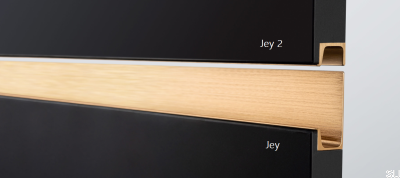
Aluminum is the base here, and it explains the shape of the profiles, as the drawn shape can be run across the entire width of the front without straining the hinges. You'll also find steel and brass here. Colors range from silver and white to black, gold, and bronze, while surfaces can be varnished, powder-coated, brushed, or polished. In a recessed handle, fingers touch the interior of the socket, not the face, so a brushed surface collects marks slower than a polished one, which is evident in a front that's opened dozens of times a day. Design here leans toward modern and Scandinavian forms, so a Scandinavian handle with a simple cut is the default choice. If you're starting with color, black recessed handles most often come in a matte black finish, while white is also available in a textured version; wider combinations of one color in all forms are available in the sections black furniture handles and silver furniture handles. The milled socket collects dust faster than the smooth face, so wipe its corners with a damp cloth from time to time; Powders and scouring pads dull paint and anodized aluminum.
Frequently asked questions about recessed and milled handles
◆ What is a milled handle?
Milling is a front treatment, not a type of fitting. The carpenter chooses a recess or through hole in the panel, and the recessed handle fits in that place. That's why we sell recessed handles, designed for ready-made cutouts, under the heading "milled handles."
◆ What's the difference between a recessed handle and an edge handle?
A recessed handle fits into a slot cut into the front panel, so the frame or recess itself is visible from the front. A edge handle is mounted on the top or bottom edge of the front panel, and you slide your fingers underneath it from below, leaving the panel without a cutout. When designing a kitchen from scratch, you can choose freely, whereas in a pre-made kitchen without a milling machine, the edge profile remains.
◆ How do I measure the spacing before replacing a recessed handle?
Measure the distance between the centers of the two holes in the front, not the length of the fitting itself. It's easiest to do this with the handle unscrewed, when the holes are exposed. Compare the result with the values that appear most frequently in this section, namely 128 and 160 mm, and with 32, 64, 96, and 192 mm.
◆ Will you install a recessed handle in a finished kitchen?
Only if the front can still be machined. The slot for this type of fitting is cut with a milling machine, so with an installed cabinet, this means removing the front and visiting a carpenter. If the fronts already have pre-drilled holes for front-mounted hardware, an edge profile or long handle is a simpler option.
◆ Which fronts are flush-mounted handles suitable for?
For those in which a recess can be cut with the dimensions of the selected model, meaning primarily for panels of the appropriate thickness. They work best on smooth panels, without profiled frames or strips, and with sliding doors, where nothing can protrude beyond the face. You can find the socket dimensions for your specific model in the product description.
◆ How to clean recessed handles?
Wipe the surface with a damp cloth and dry it. Remove dust from the corners of the socket, as this is where it settles most quickly. Powders, creams, and scouring pads dull the paint and anodized aluminum. For brushed surfaces, run the cloth along the brush pattern, not across it.
Check out the latest posts on our blog
- ↗See what they look like Scandinavian style furniture
- ↗Discover brass handles in their natural version
- ↗Choose boho style in your interior and add a touch of freedom to your home.