




 Free delivery


 Currencies
Ceramic handles
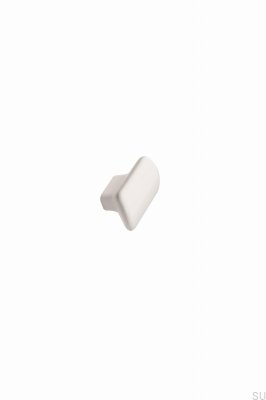
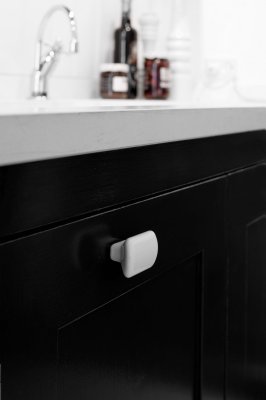
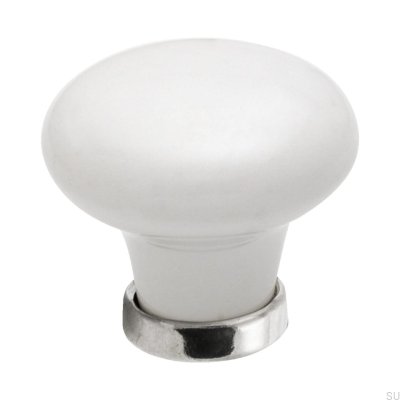
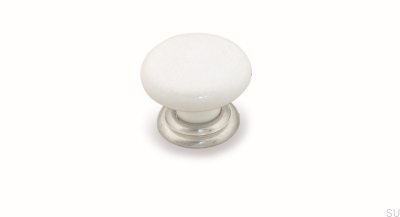
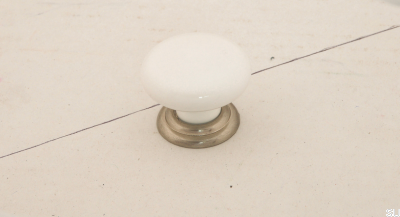
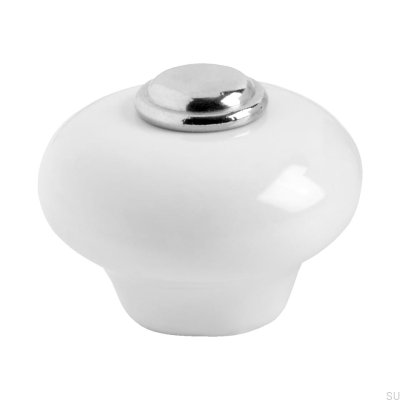
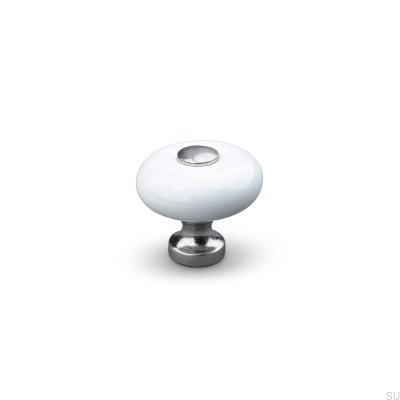
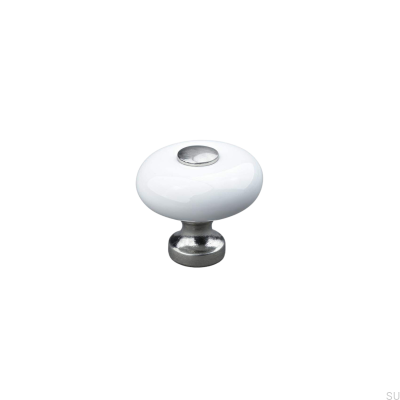
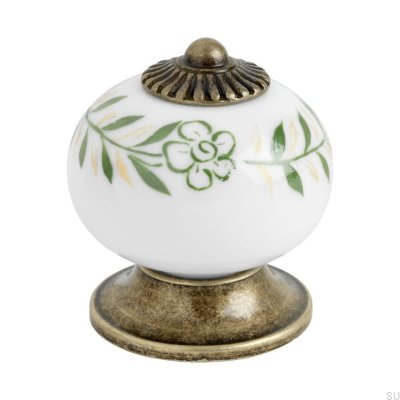
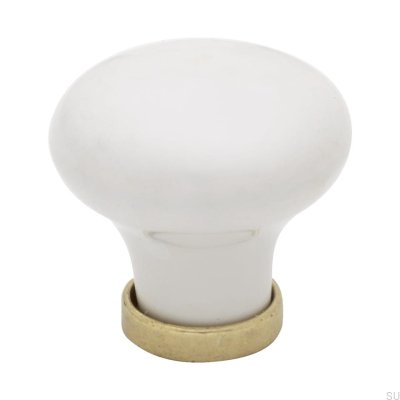
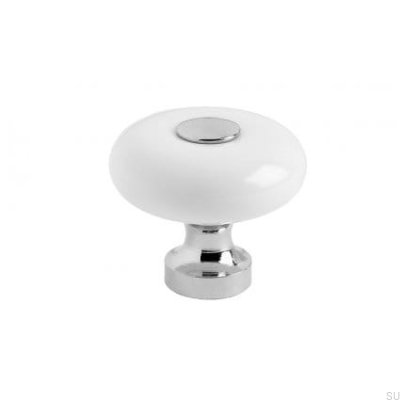
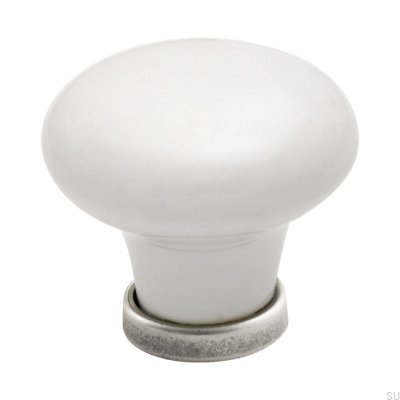
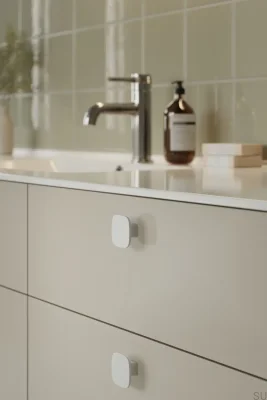
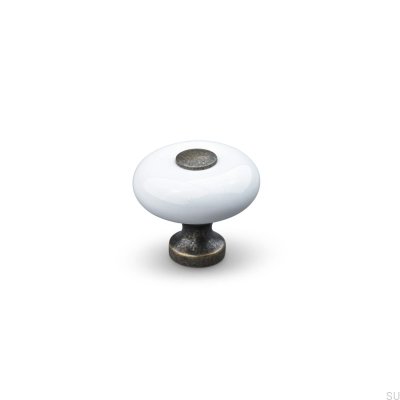
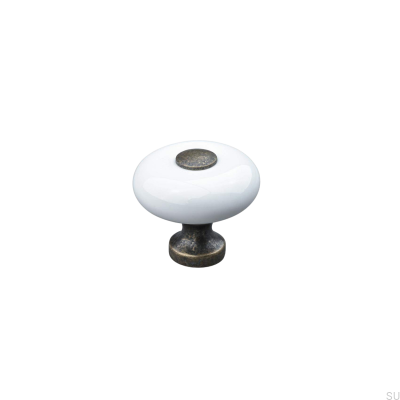
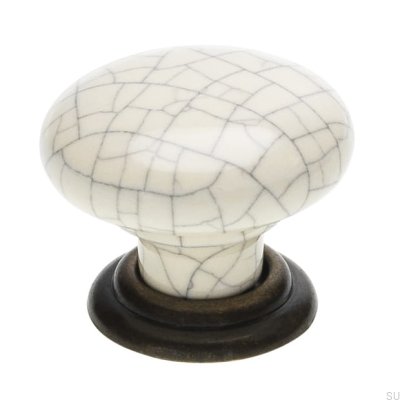
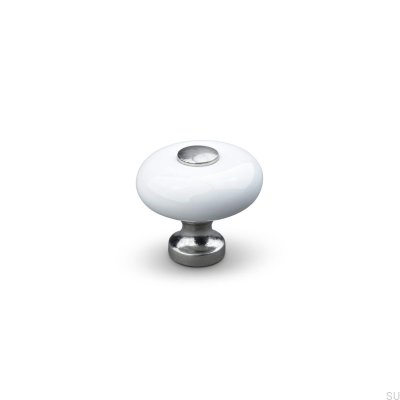
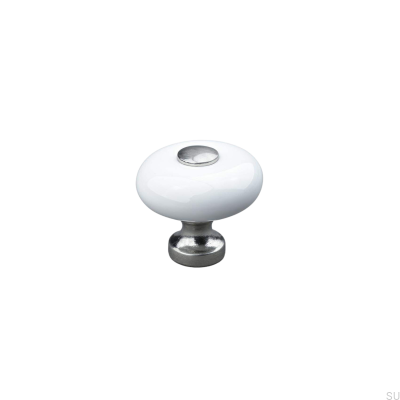
Ceramic furniture handles are primarily white porcelain knobs, supplemented by a few elongated models. White is the primary color here, so you choose the shape, diameter, and finish of the metal base rather than the color. Ceramic cabinet handles are usually attached with a single screw, so with a front with a pre-drilled hole, replacing them takes only a minute.



€12.18
€8.74
€3.70
€7.79
€3.66
€5.26
€8.74

€7.79

€5.38
€8.74
€36.68

€12.95
€16.02
€3.66
€3.45
€3.66
Porcelain Knobs and Oblong Models in Ceramic Furniture Handles
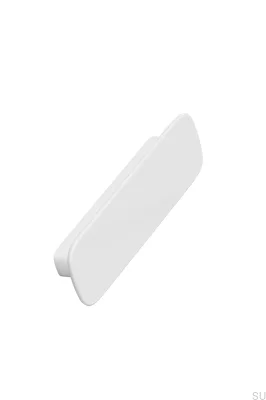
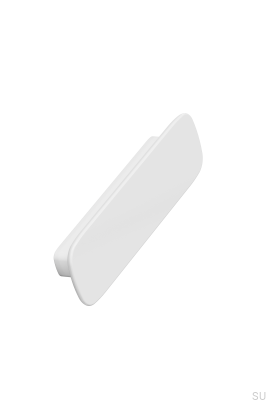
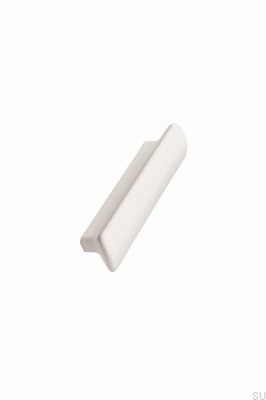
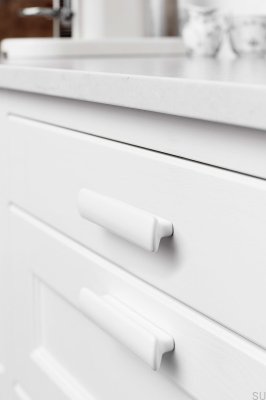
The basis of this section are ceramic furniture knobs, which are round or slightly flattened heads mounted on a metal spindle. There are a handful of oblong models. The ceramic body rests on two mounts. An oblong handle provides a more secure grip on a heavy drawer, but the selection in this material is limited, so plan a wide drawer from a different section. Ceramic furniture handles in the form of a knob are used on doors, pillars, and narrow fronts, where a single grip point is sufficient, and a long handle would take up the entire width.
Ceramic or Porcelain Handles: What's the Difference
The difference is smaller than the names suggest. Porcelain is fired at a higher temperature than regular ceramic, so its surface is smoother and whiter. Manufacturers use both terms interchangeably, so you'll find ceramic and porcelain handles on the same list. The second part of such fittings is metal: most often, it's cast zinc, i.e., zamak or zamak, and in some models, oxidized metal. Metal is the base and screw shaft in these handles, while ceramic is the part you touch. Therefore, when choosing, consider the head diameter and the base finish, not which of the two words the manufacturer uses to describe the material. Some models are entirely ceramic, and then the glaze also covers the base.
Ceramic furniture knobs: which diameter to choose for your cabinet
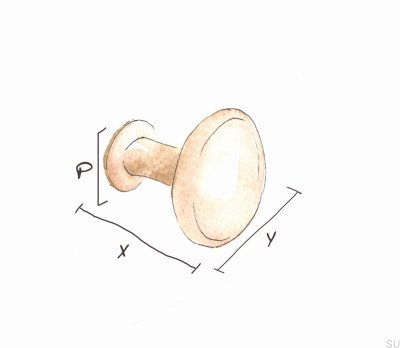
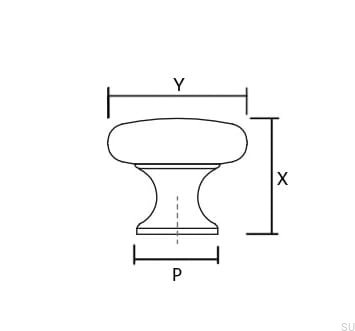
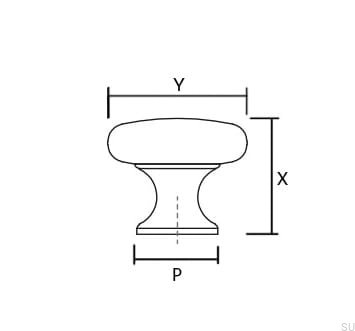
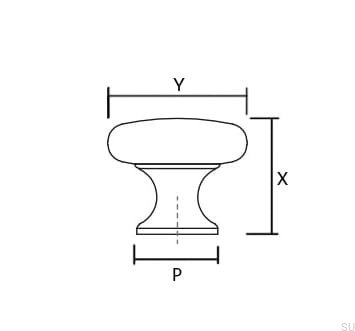
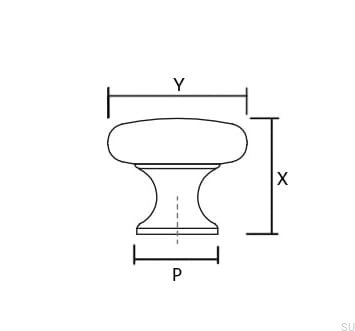
The knob diameter starts at 30 mm and reaches nearly 50 mm, with 30 mm being the most common. A smaller knob is sufficient for doors and narrow posts, while a larger one is easier to grip with your whole hand and looks better on a wide chest of drawers front. Also check the diameter of the base adjacent to the front: a larger one will hide the traces of the previous fitting, a smaller one leaves more paint visible. When replacing knobs after many years, the latter number is more important than the former. Knobs are attached with a single screw. Therefore, the spacing is only important for a few elongated models. Where the spacing is present, it's 16 and 96 mm, so a front with holes spaced 128 or 160 mm requires drilling or a handle from another section.
Ceramic Handles for Kitchen Cabinets, Sideboards, and Chests of Drawers
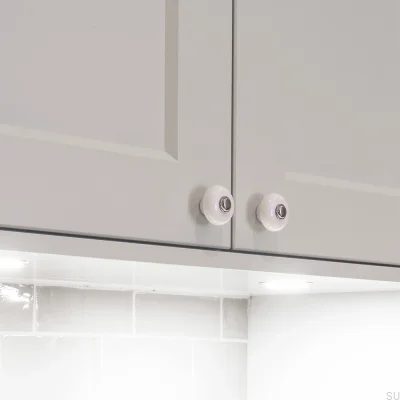
Upper cabinet fronts, lower cabinet doors, and drawers under countertops: ceramic handles for kitchen furniture are available on all three. The white knob looks natural on a frame front, sideboard, and built-in units with a visible strip, as the design in this section follows a retro trend, complemented by a few deco models. On a smooth, unadorned front, the white ceramic takes on the overall décor, so one design repeated throughout the unit looks better than several different ones. A chest of drawers and a nightstand are the second natural location for a small knob, as a narrow front won't support a large knob. In a child's room, the white ceramic doesn't impose a color on the entire piece, so the cabinet will survive a change of decor without replacing the hardware. Ceramic furniture handles are one of several material options for the same front: next to them are wooden furniture handles, leather furniture handles and concrete furniture handles, and we've collected pure white in all materials in the white furniture handles section.
How to clean handles Ceramic Furniture Handles
For daily cleaning, a damp cloth and mild detergent are sufficient. Abrasive powders dull the enamel. Solvent-based products damage the paint finish of the metal base, so avoid them. Enamel doesn't absorb grease, so a white kitchen knob comes back clean after wiping with a damp cloth. Periodically check ceramic furniture handles for looseness, as the rotating head can ream the hole in the front, and a properly tightened knob will last for years. Tighten the screw until you can feel it with your fingers, without using a wrench: the ceramic body is hard but brittle, so if you apply too much pressure, the head, not the screw, will break.
Frequently asked questions about ceramic furniture handles
◆ What's the difference between a ceramic handle and a porcelain handle?
Porcelain is a type of ceramic fired at a higher temperature, with a smoother and whiter surface. Manufacturers use both terms interchangeably, so you'll find both on the same list. When choosing, consider the head's diameter, shape, and the finish of the metal base rather than the word used to describe the material.
◆ Are knobs or long handles in this category?
Primarily knobs, because ceramics are easiest to form into a compact head on a single spindle. Long models are a complement here, and the selection is narrow. If you need a long handle for a wide drawer, start with the section with long handles in a different material.
◆ What diameter are ceramic furniture knobs?
Diameters start at 30 mm and reach close to 50 mm, with 30 mm being the most common. A smaller knob is sufficient for doors and narrow uprights, while a larger one looks better on a wide chest of drawers and is easier to grip with your whole hand. Also check the diameter of the base, as it covers the mark left by the previous hardware.
◆ What is the spacing of ceramic cabinet handles?
You attach the knobs with a single screw, so you don't need to measure the spacing at all. Oblong models come in 16 and 96 mm. A front with holes spaced 128 or 160 mm requires drilling or a handle from another department.
◆ Are ceramic knobs suitable for kitchens?
Yes, and that's their most common use. The design is in keeping with the retro trend, so they look best on a frame front, in a sideboard, and in built-ins with a visible molding. On a smooth, unadorned front, a white knob acts as a single accent.
◆ How to care for a ceramic furniture handle?
A soft cloth and water with a mild detergent will do the trick every day. Abrasive powders dull the enamel, and solvent-based products damage the paint finish of the metal base. Tighten the screw until you feel resistance with your fingers, without a wrench, as the ceramic material is hard but brittle.
Check out the latest posts on our blog
- ↗See what they look like Scandinavian style furniture
- ↗Discover brass handles in their natural version
- ↗Choose boho style in your interior and add a touch of freedom to your home.