




 Free delivery


 Currencies
Drawer inserts
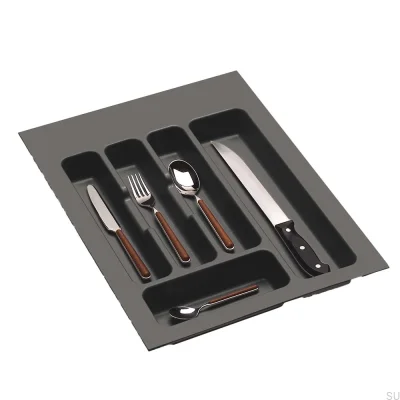
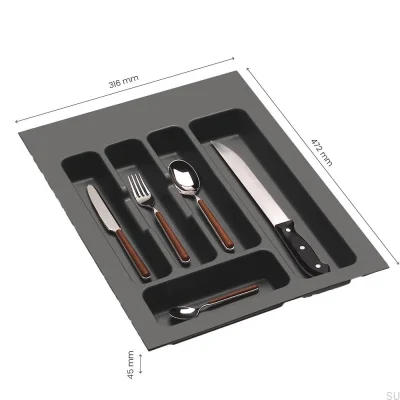
You choose drawer inserts with a measuring tape, not by eye: they have a fixed size and only fit in the drawer that will accommodate them. You'll find containers for cutlery, knives, spices, and foil and baking paper, in white, two shades of gray, and wood. Measure the inside of the drawer, with the interior empty, and only then compare the result with the dimension on the product name.



€13.39
€76.97
€33.46
€65.37
€30.81
€94.75
€28.16
€114.67
€29.92
€81.11
€29.92
€52.88
€103.71
€62.06
€30.78
€29.04
€35.22
€108.49
€97.31
€26.39
€103.71
€50.23
€16.75
Drawer inserts for cutlery, knives, spices, and foil
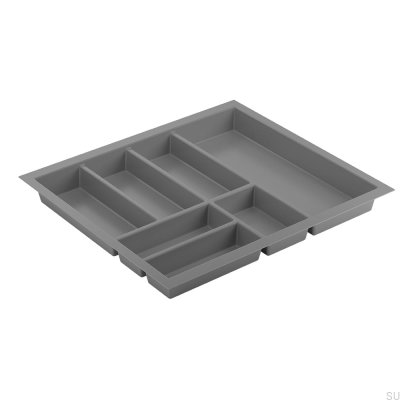
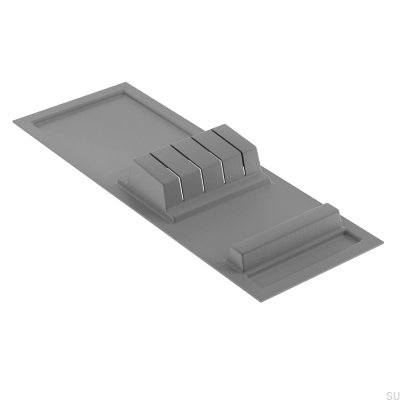
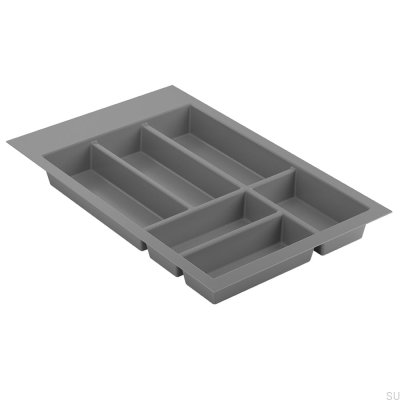
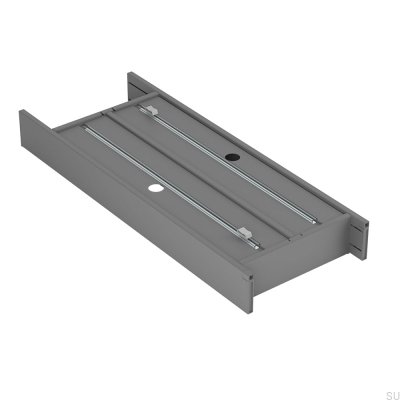
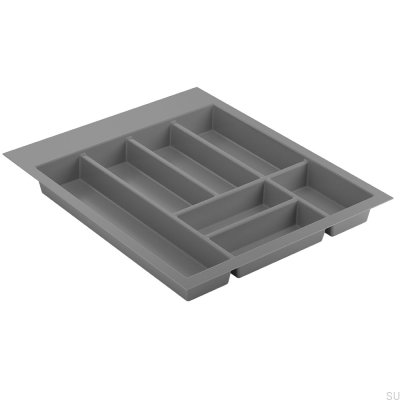
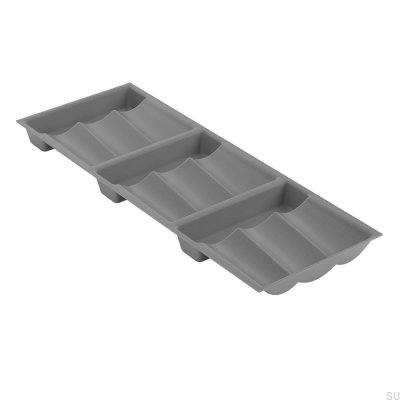
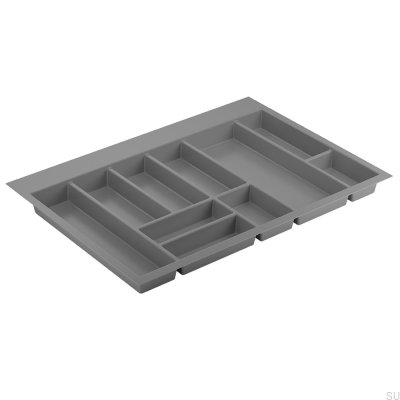
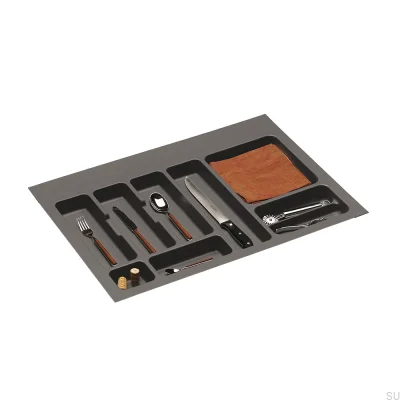
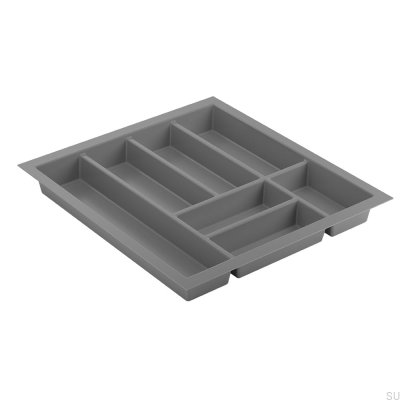
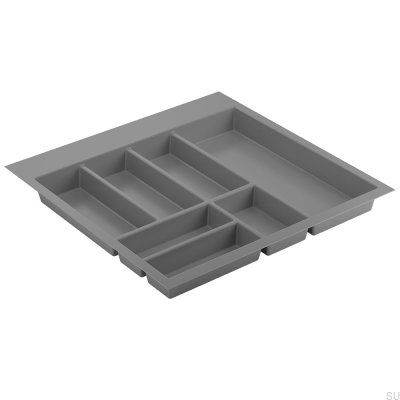
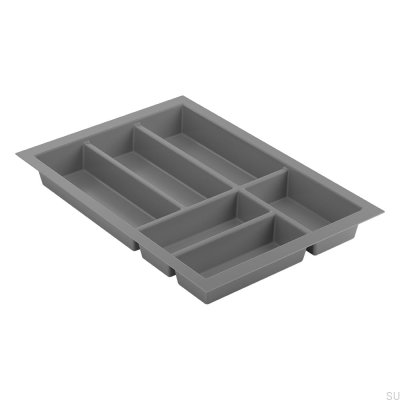
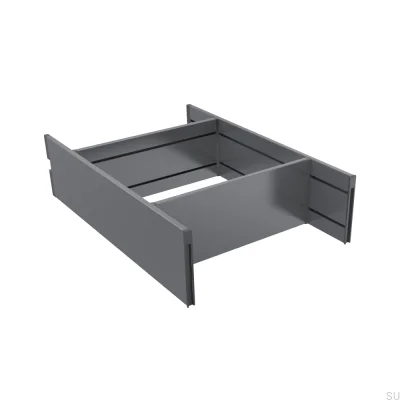
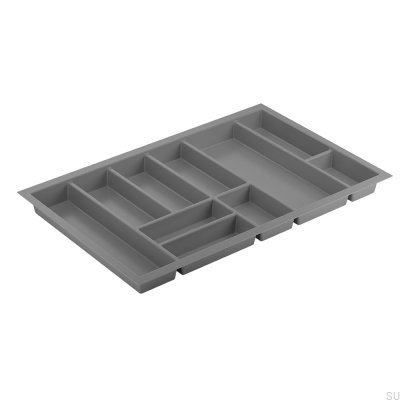
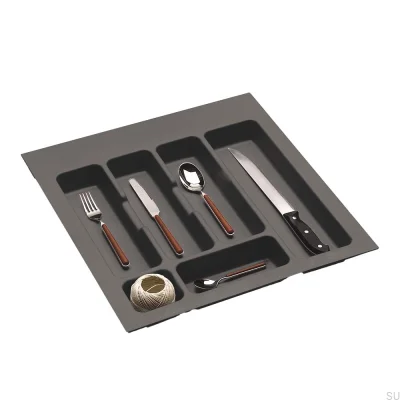
The intended use is the first filter through which you filter your selection, because only then does it make sense to compare dimensions. The cutlery insert has fixed dividers and keeps forks, spoons, and knives separate, so nothing shifts in a drawer that opens dozens of times a day. The knife holder separates the blades so they don't lie loose with the rest of the cutlery. The spice holder collects jars in one place instead of spreading them across the cabinet. The foil and baking paper holder holds rolls that always tend to get misaligned in a regular drawer. There are separate containers without separate compartments, which replace the mat at the bottom of the drawer, and you remove them for cleaning along with their contents. The category has no subcategories, so you choose in two steps: first, purpose, then size. The rest of the drawer and countertop accessories are in the kitchen accessories section.
How to measure a drawer and choose a drawer insert
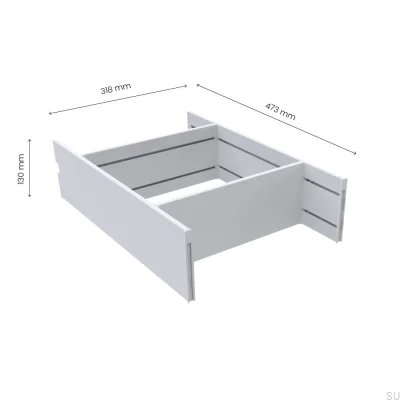
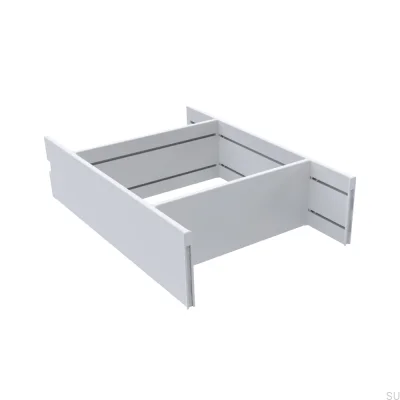
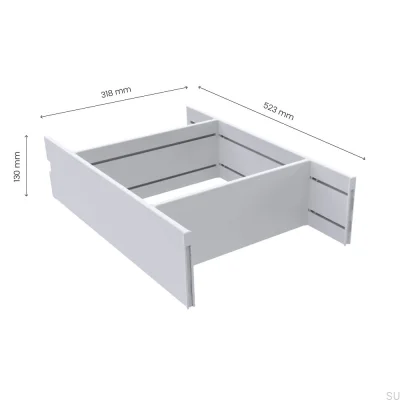
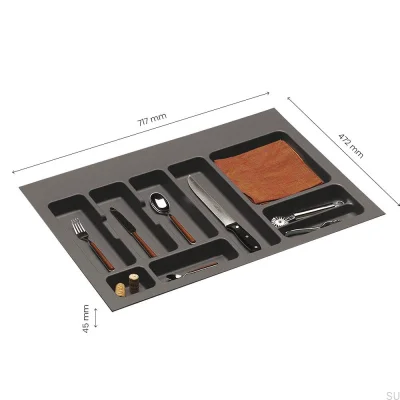
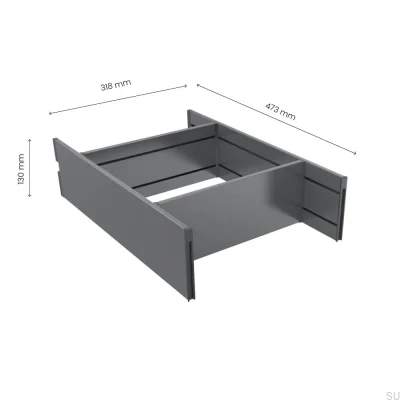
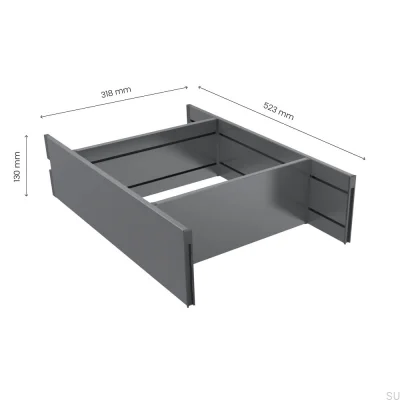
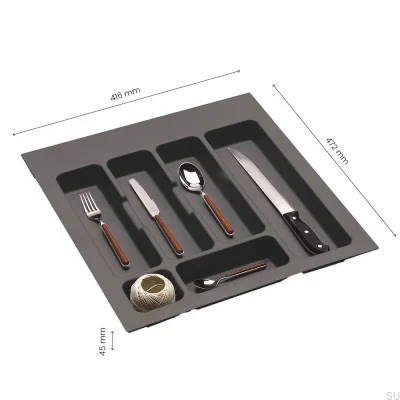
You need three dimensions. You measure them all from the inside, with the drawer empty. The first is the width between the side walls, the second is the distance from the front wall to the back wall, and the third is the wall height, because the container can't protrude beyond the edge if a countertop or another drawer slides over it. Leave a few millimeters of slack on each side, as the runner and drawer sides are rarely perfectly parallel. Compare the measured values with the numbers in the product name, not with the photo: the depths come in three values: 473, 523, and 623 mm, while the widths start at 148 mm and reach 725 mm. Depth is the dimension that most often determines a return, because a seemingly spacious drawer can be shorter than it looks due to the back wall of the cabinet.
Cutlery insert for drawers 60 and 80: what does this number mean?
Cutlery insert names return to the designation of the built-in module: 400, 500, 600, or 800 mm. This number describes the width of the cabinet, while the drawer itself is narrower. Therefore, some items have a second dimension next to it, 75 mm smaller, and this is what you compare it to with the measured drawer. Subtraction doesn't work everywhere: some names immediately provide the outline of the container, while others specify the depth twice, once as the length of the drawer body, and once as the actual space left inside. When the name contains two numbers, and neither is a module designation, both are read directly as the container's dimensions. If the cabinet is sixty centimeters wide, you're looking for the 600 mm module designation, but order after checking the outline, because the runners and side thicknesses take several centimeters off this width.
Drawer inserts in kitchen cabinets
In the kitchen, drawer inserts are divided into four sections, each with its own group of containers. The top, shallow drawer next to the sink takes the cutlery insert, because you use it most often and nothing should slide around in it. Knives have separate containers, so the blades don't touch the rest of the tableware. Spices and foil get their own inserts, because both get lost in the general-purpose drawer. In a deep drawer under the countertop, several smaller containers work better than one large one, because then you can rearrange them depending on what you have on hand. If you want to remove some items from the drawers onto the wall, a separate solution is kitchen hangers mounted above the countertop.
Wooden drawer inserts and colors for light fronts
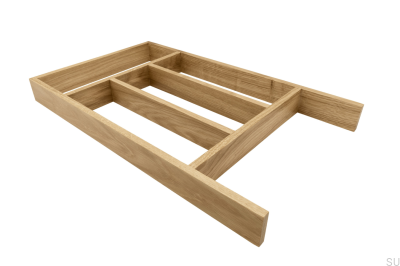
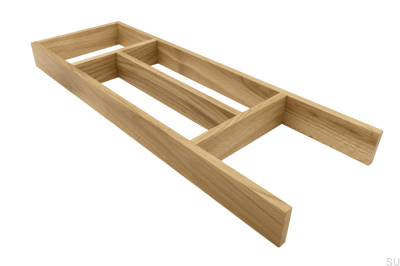
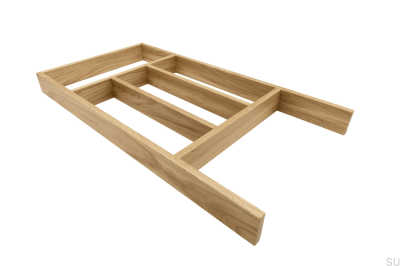
You see the color of the drawer every time you open it, so you match it to the interior of the furniture, not the front. Wooden drawer inserts complement light, matte cabinetry because the warm grain softens the cool look of the board; You'll find cutlery containers in this form here. Drawer inserts in white and two shades of gray are unobtrusive and fit under any shade of built-in cabinetry. White shows crumbs more quickly than dark gray, but it's immediately obvious when the container needs cleaning. If you're also changing your fronts, you can choose the handle color in the Furniture Handles section.
How to Clean Drawer Inserts
Remove the drawer insert from the drawer and wash it separately. This leaves the bottom of the furniture dry. The plastic can withstand warm water and dish soap, but scouring powders dull the surface and leave scratches where grease can collect. Wipe the wooden insert with a damp cloth and dry it immediately, as prolonged contact with water raises the fibers. Before inserting the container back in, wipe the bottom of the drawer dry to prevent moisture from remaining underneath.
Frequently asked questions about drawer inserts
◆ Does the drawer insert need to be cut to size?
Not in this category. The containers have a fixed size specified in the name, and none are described as cuttable. Selection involves measuring the drawer and selecting an insert that is smaller than the measurement, not machining it after purchase.
◆ How do I choose a cutlery insert to match the drawer width?
Start by specifying the module in the name: 400, 500, 600, or 800 mm. This is the width of the cabinet, not the drawer itself. Some items have an actual outline next to them, 75 mm smaller, and this is what you compare it to. When the name doesn't include the module designation, both numbers read directly as the dimensions of the container.
◆ How do I check if the insert will fit the depth of the drawer?
Measure the distance from the front to the back wall with the drawer empty and compare it with the depth in the name: the values return 473, 523, and 623 mm. A smaller dimension than the measured dimension leaves the clearance needed for the drawer slide, while a larger dimension won't allow the front to close.
◆ What should I use to line the bottom of a kitchen drawer?
Instead of lining the bottom, it's easier to insert a ready-made container: the bottom of the cabinet stays clean, and you can remove the insert for cleaning. Containers without separate compartments replace a mat, and you can fit several of them side by side in one drawer. Some of them are sold as a set for one drawer.
◆ Are there wooden drawer inserts?
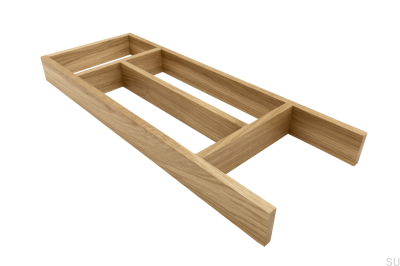
Yes, in the form of cutlery trays. The rest of the inserts are available in white and two shades of gray, so you consciously choose wood when you want a warmer drawer interior. You can read the dimensions of the wooden insert from its name, just like with the others.
◆ Is the drawer insert only suitable for the kitchen?
The intended uses described in this category are kitchen: cutlery, knives, spices, foil. The drawer insert itself, however, is selected based solely on three dimensions, so a container without separate compartments will fit in any drawer of the appropriate dimensions, including bathroom cabinets and desks.