




 Free delivery


 Currencies
Handles closer to the sun and power
Gold is a symbol of luxury, power, gods, and the Sun. For millennia it stood for greatness, immortality, closeness to perfection. The best period in the history of a given state is the "golden age" which emphasizes the importance we attach to this noble metal. A small accent in this color illuminates the space and focuses the eye. Thanks to the warm color it cheers and adds mysticism. We can find bits of gold in cosmetics or alcohol, calling towards human greediness, tempting with elegance and richness. However, the price of this colored metal and its properties do not allow its use in common interior furnishings. For centuries cheaper substitutes of gold appeared. Over time, the combination of knowledge about metal alloys and aesthetic demand gave birth to a recipe for permanent connections of metals with the colors of kings and the Sun, harder than steel, able to conduct electricity or exhibit magnetic activity.
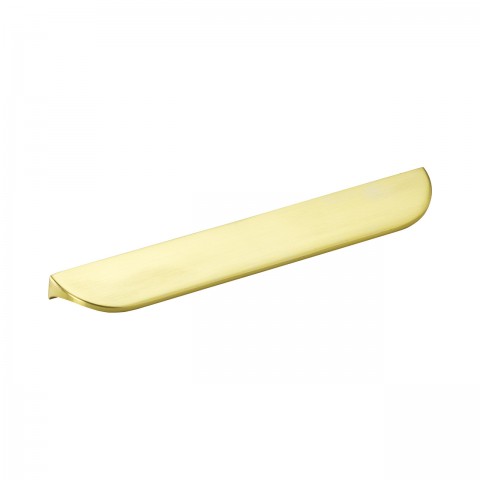
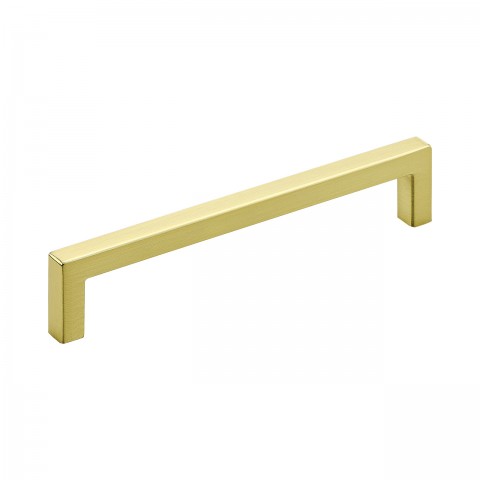
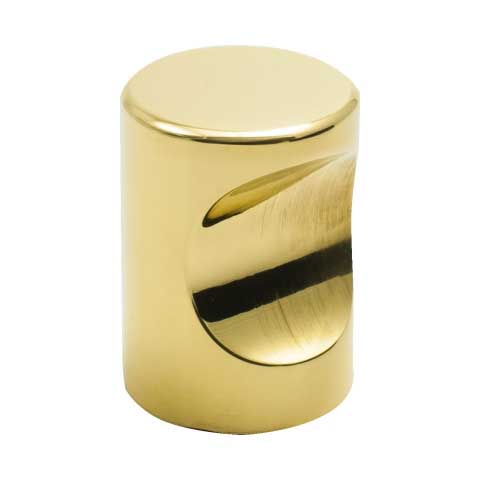
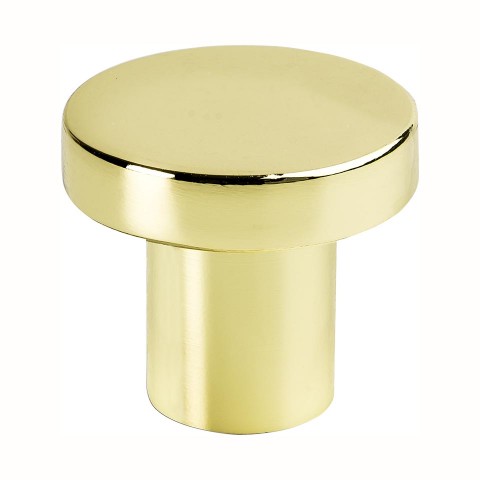
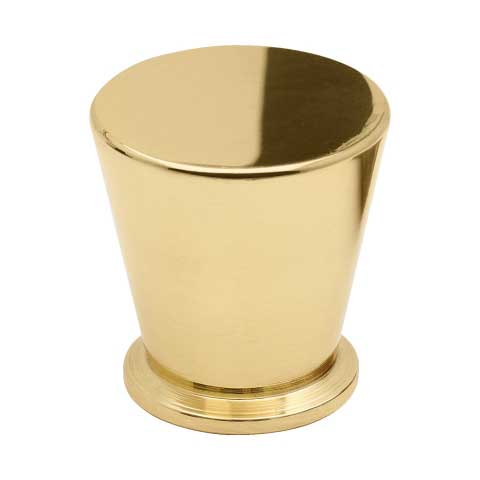

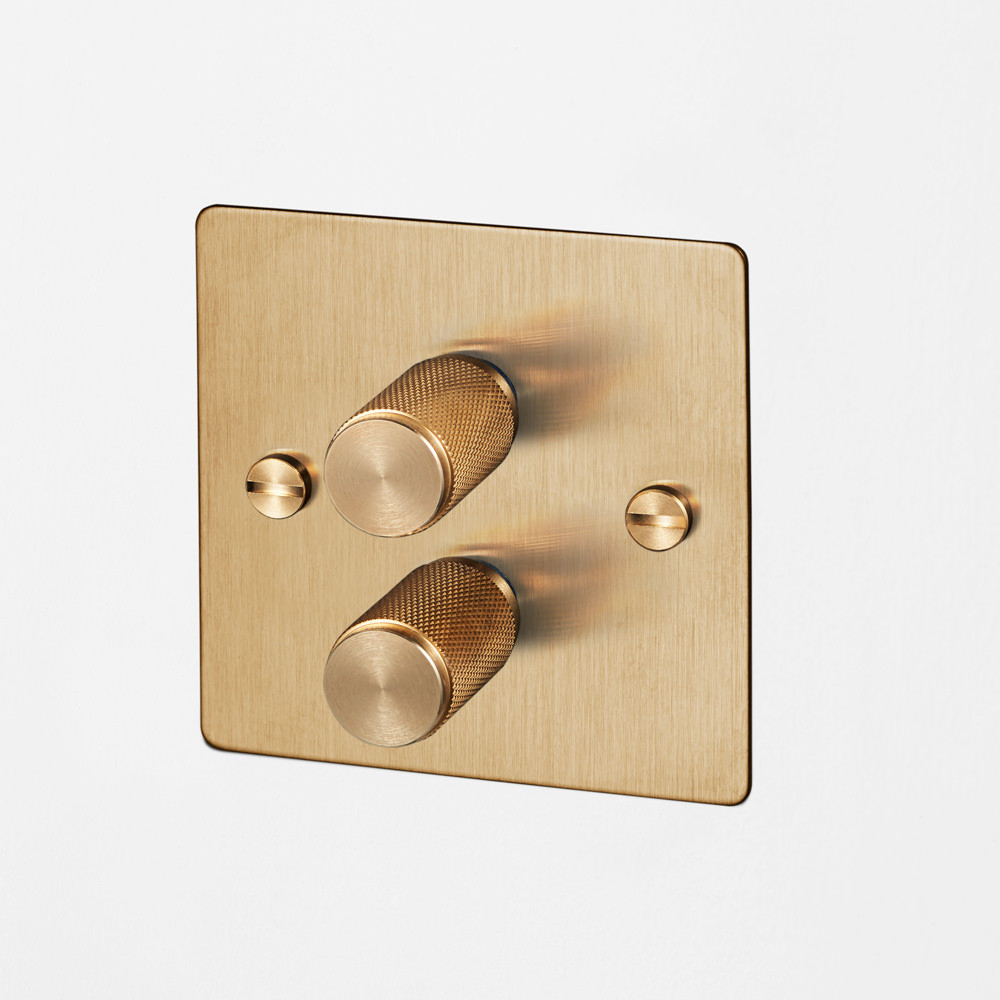

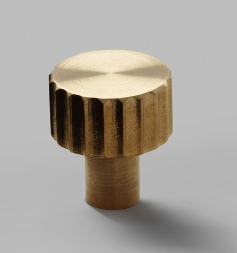
Knob Lexi XS handmade in Poland
Therefore, we also offer handles, switches, door stoppers and other products in gold. They are made of brass, meaning a copper and zinc alloy. Depending on the finish, they can be shiny
or matte. Copper content determines a warmer - more pink color. In the past brass was used with the addition of lead, however, it is a disappearing practice, especially in places exposed to contact with water and food. The popular "siblings" for brass are, for example, tombac, with a very warm color, containing at least 80% of copper, used by frauds in jewelry, resembling warm gold, marked with the MET hallmark.
Once a very popular metal alloy for decorating, often figurines. It can be found in the automotive and electrotechnical industry or on water valves, because under normal operating conditions brass is resistant to corrosion and does not rust in water. However, it should be remembered that it also requires care in order to remain pretty for a long time and stay with us for years.

tap in Baltic Stories apartment
How to care for brass products?
Brass does not like an acidic environment. On the internet it is possible to find advice concerning cleaning brass elements using home methods such as toothpaste, a mixture of citric acid and baking soda, salt with vinegar and many more. We do not recommend such practices. That way it is possible to destroy the delicate surface of the handles, expose it to scratches in the case of unpainted handles.
Brass elements in our offer can be: brushed or polished, natural raw or covered with some laquer.
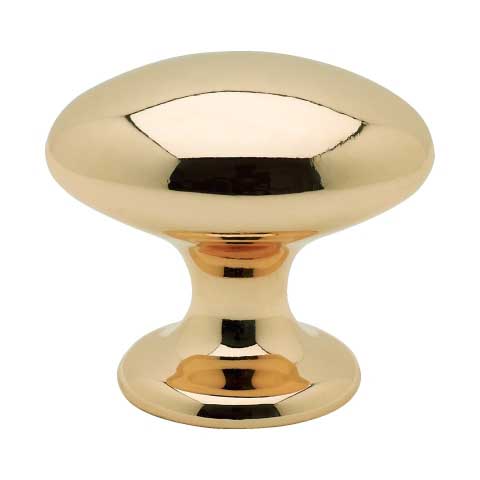
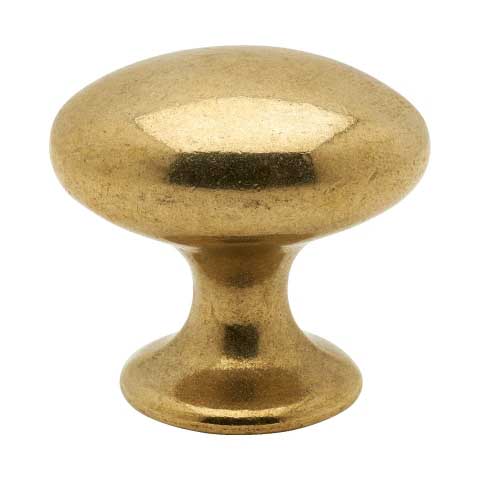
- Raw – unpolished, pure metal straight from the lathe. Its finish is naturally matte. It ages and patinates with time.
- Polished – a mechanical finish that gives a shiny, mirrored effect.
- Brushed – mechanical finish consisting in brushing with the use of special brushes, giving the impression of tarnishing, leaving stripes which diffuse light.
- Varnished – chemical surface coverage with a proper agent, protecting against patination.
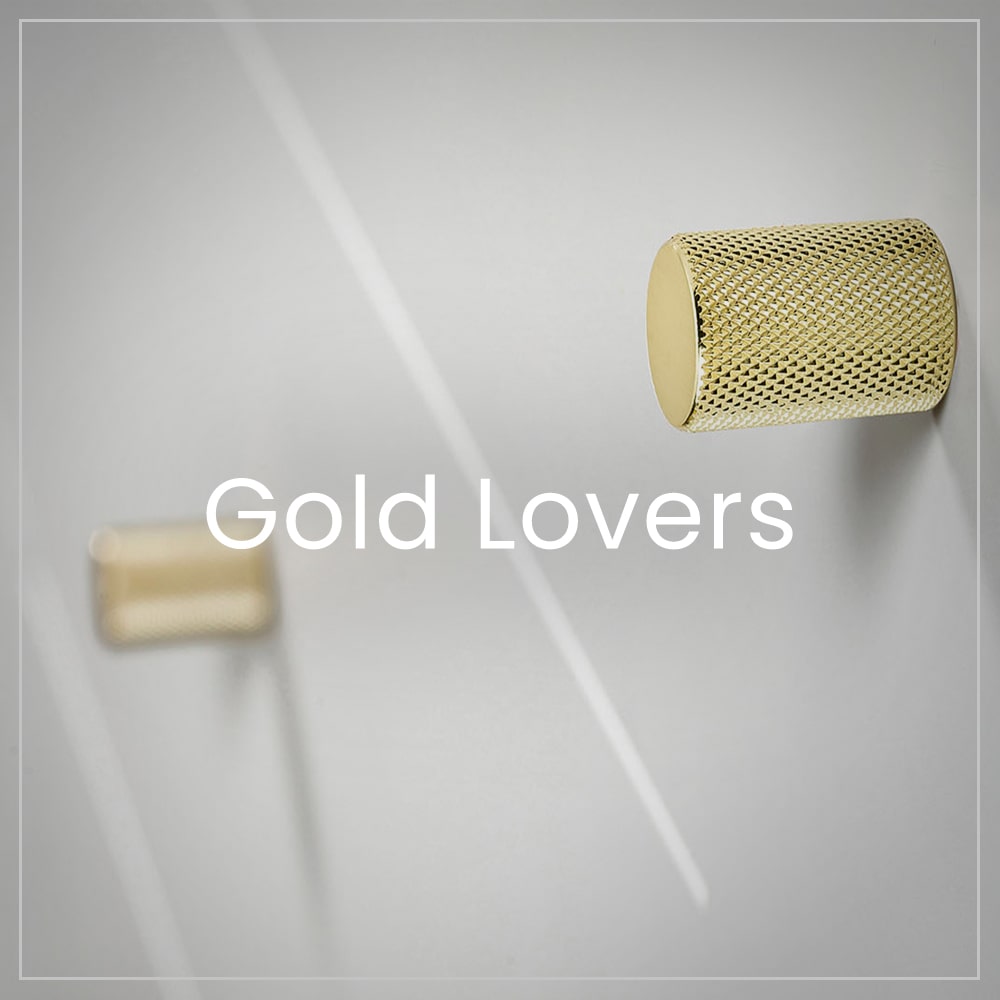 Collection of our gold handles and knobs
A few tips on cleaning and maintenance
Each of the above products should be maintained. For this purpose we recommend a dedicated cleaner - PUTS cleaner from BB Sweden. It is a perfect cleaning agent created by metal and beauty lovers. It is suitable for cleaning copper, brass, stainless steel, chrome, silver, gold, aluminum or nickel.

How to use PUTS
- Brushed surfaces should not be cleaned with polishing abrasives, because there is a risk that they will start to shine. PUTS is 100% made of natural ingredients, suitable for polished and brushed surfaces.
- Apply a small amount of PUTS on a damp cloth and gently rub the product until all the stains disappear. Rinse the excess with lukewarm water and wipe dry with a cotton cloth as quickly and accurately as possible.
- Nails and skin can become white in contact with PUTS. Put on gloves when applying the cleaner.
Does your polished product lose its appearance?
- To take good care of polished products, you can purchase special pastes available in construction and industry stores. We recommend that you follow the instructions given by the manufacturer.
- If you use cream before cleaning, remove the hanger/knob from the wall or drawer, as some varnishes/creams become black.
- Apply a small amount of polishing cream to a dry cloth and thoroughly polish in the same direction.
- When the surface is pleasant and shiny, wipe off excess cream with a clean soft cloth.

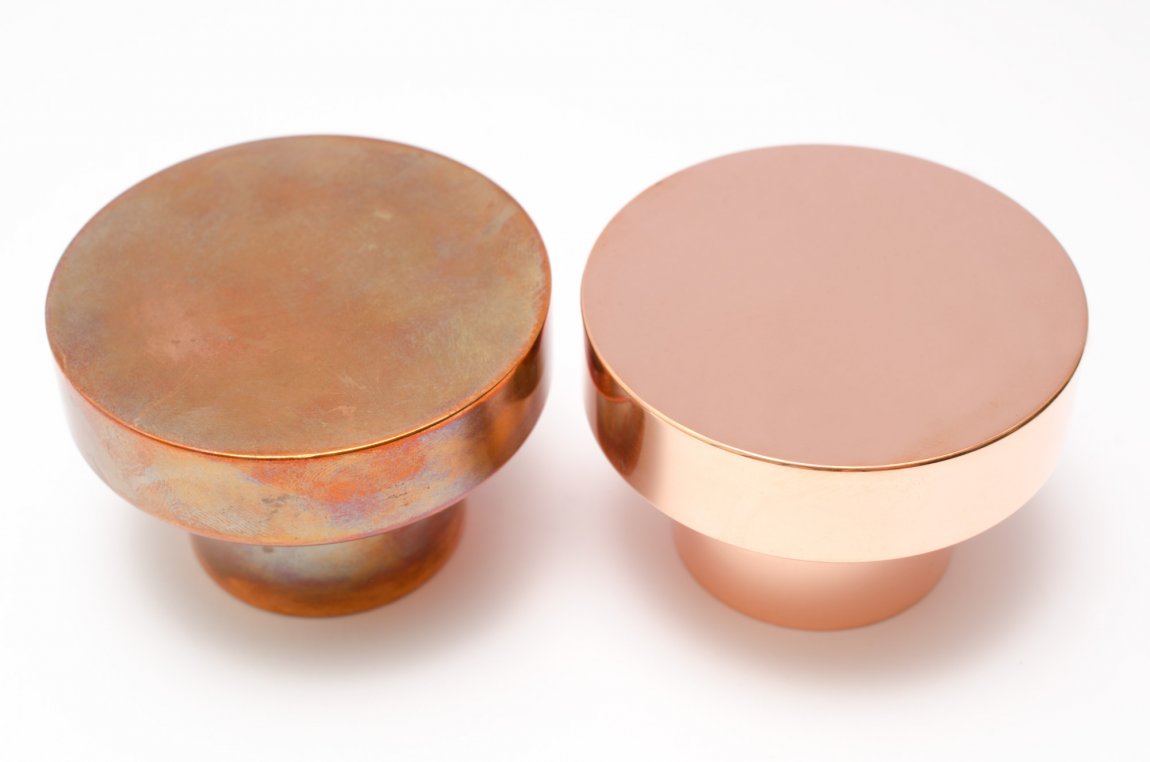
aging effect of uncoated handles.
Brass in the kitchen
Like copper, brass is popular for use in gastronomy. Raw surfaces are safe to contact food and even heat treatment of foods. Uncoated surfaces will begin to cover with limescale over time, which is also safe until a greenish-blue or grayish color appears. In an atmosphere containing sulfur dioxide, brass, like copper, is coated with patina, which is poisonous in contact with food or drinking water. Sometimes this effect is desirable, hence so it is so ubiquitous. The most famous object covered with patina is the Statue of Liberty! However, patina can be removed, and metal elements can be cleaned and renewed to be safe and in good condition..
Fortunately, it would be difficult to eat from our handles, so you can easily admire the effect of aging and patinating.

Solid brass woks are widely used in Thai cuisine for preparing various desserts. Using a brass wok has some advantages when cooking sweets. Brass is heated evenly, so syrups and candies can be prepared without burning them. Without proper care, it will oxidize and discolor, so traditionally brass woks are rubbed with a touch of Indian tamarind paste that cleans and polishes the soft metal, but does not scratch it. Then they are rinsed with water. More sophisticated and modern cooks use half a lime or lemon.
|
|


